Books › Sweetness and power

Sweetness and power
First published 1985 · 274 pages
A sobering, eye-opening exploration of how a single sweet commodity shaped the modern capitalist world and its darkest institutions.
What it feels like
Reading this book feels like pulling back the curtain on the modern world through the lens of a single, ubiquitous ingredient. The pace is steady and analytical, guiding the reader through a sobering intellectual journey that connects the sugar in our tea to the brutal realities of colonial slavery and the rise of industrial capitalism. The mood is deeply reflective and critical, asking us to reconsider the everyday necessities we take for granted. The prose is clear and scholarly, meticulously tracing how an aristocratic luxury transformed into a working-class staple, altering global diets and work patterns forever. It will thoroughly delight readers who crave historical sociology, food history, and eye-opening accounts of how global trade shapes human culture and exploitation.
- Mood
- reflective
- sobering
- intellectual
- Tone
- analytical
- informative
- critical
- scholarly
- Pace
- steady
- Themes
- the history of capitalism · commodity and culture · the legacy of slavery · industrialization and diet · social class and consumption
- The writing
- Clear, academic, and historically grounded, focusing on the sweeping socioeconomic impacts of a single commodity.
- The arc
- Moves from intellectual curiosity about a common ingredient to a sobering realization of its deep ties to exploitation and global capitalism.
- Who it's for
- Readers fascinated by microhistory, the sociology of food, and the hidden, often dark origins of everyday commodities.
Content notes
- slavery
- colonial exploitation
About the book
In thid book the author shows how Europeans and Americans transformed sugar from a rare foreign luxury to a commonplace necessity of modern life, and how it changed the history of capitalism and industry. He discusses the production and consumption of sugar, and reveals how closely interwoven are sugar's origins as a "slave" crop grown in Europe's tropical colonies with its use first as an extravagant luxury for the aristocracy, then as a staple of the diet of the new industrial proletariat. Finally, he considers how sugar has altered work patterns, eating habits, and our diet in modern times.
Description from Open Library.
Books like Sweetness and power
See why they match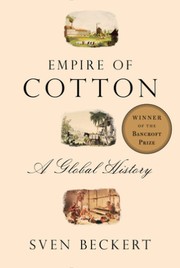 Empire of cottonSven BeckertAn unflinching, sweeping examination of the brutal economic engine that built the modern world.
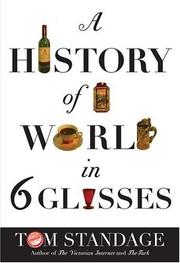 A history of the world in 6 glassesTom StandageA lively, conversational journey through human history that reveals how our favorite beverages shaped the modern world.
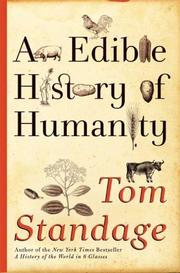 An edible history of humanityTom StandageA sweeping, accessible journey that transforms the contents of your pantry into a map of human civilization.
 Energy in world historyVaclav SmilA sweeping, deeply pragmatic lens on human history that reveals the hidden physical forces shaping our world.
 Salt Sugar FatMichael MossA gripping, unsettling peek behind the grocery store aisles that will permanently change how you look at a brightly colored box of snacks.
 The True History of ChocolateMichael D. CoeA rich, multidisciplinary journey tracing a beloved indulgence from ancient sacred beverage to modern mass commodity.