Books › Texaco

Texaco
First published 1992 · 497 pages
A rhythmic, polyphonic tapestry of memory and survival that captures the turbulent soul of post-slavery Martinique.
What it feels like
Reading this novel feels like listening to a vibrant, multi-layered oral history unfolding over generations. The narrative takes a meandering, rhythmic pace, weaving together short sequences, fictive notebooks, and urban planning documents into a rich polyphonic tapestry. It is steeped in a mood of turbulent resilience, balancing the tormented legacy of slavery with saucy, subversive humor and a deep drive for self-affirmation. The prose itself is a structural experiment, capturing the cadence of spoken memory while exploring the precarious reality of shantytown survival and collective identity. It will deeply satisfy readers who love sweeping, formally inventive historical fiction that centers Caribbean voices, celebrating the messy, defiant, and enduring spirit of a people carving out their place in the world.
- Mood
- rhythmic
- resilient
- turbulent
- memory-soaked
- Tone
- subversive
- saucy
- reflective
- humorous
- Pace
- meandering
- Themes
- post-slavery identity · collective memory · self-affirmation · urban survival · the power of oral history
- The writing
- A brilliant, polyphonic blend of rhythmic orality, fictive notebooks, and subversive humor.
- The arc
- Moves through the tormented volatility of a provisional existence toward a resilient self-affirmation of collective identity.
- Who it's for
- Readers who appreciate sweeping, polyphonic historical fiction that plays with narrative form and centers Caribbean voices and oral traditions.
Content notes
- slavery
- systemic oppression
- housing insecurity
About the book
Of black Martinican provenance, Patrick Chamoiseau gives us Texaco (winner of the Prix Goncourt, France's most prestigious literary prize), an international literary achievement, tracing one hundred and fifty years of post-slavery Caribbean history: a novel that is as much about self-affirmation engendered by memory as it is about a quest for the adequacy of its own form.
In a narrative composed of short sequences, each recounting episodes or developments of moment, and interspersed with extracts from fictive notebooks and from statements by an urban planner, Marie-Sophie Laborieux, the saucy, aging daughter of a slave affranchised by his master, tells the story of the tormented foundation of her people's identity. The shantytown established by Marie-Sophie is menaced from without by hostile landowners and from within by the volatility of its own provisional state.
Hers is a brilliant polyphonic rendering of individual stories informed by rhythmic orality and subversive humor that shape a collective experience.
Description from Open Library.
Books like Texaco
See why they match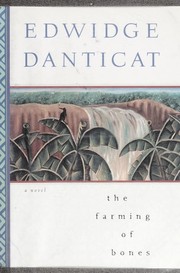 The farming of bonesCrockett, James UnderwoodA devastating, gorgeously written testament to love and memory surviving in the shadow of unspeakable historical violence.
 Breath, Eyes, MemoryEdwidge DanticatA passionate, haunting journey through displacement, inherited trauma, and the healing power of returning to one's roots.
 At the Full and Change of the MoonDionne BrandA lush, polyphonic epic that traces the haunting echoes of ancestry and trauma across centuries and continents.
 La placeAnnie ErnauxA stark, unsentimental excavation of the quiet chasm that opens between a working-class father and his educated daughter.
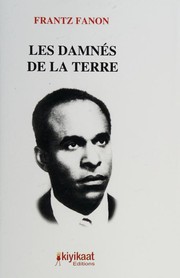 Les damnés de la terreFrantz FanonA searing, intellectual lightning strike that dissects the anatomy of oppression and demands a radical reimagining of the world.
 ParadiseToni MorrisonA haunting, lyrical descent into the fractures of a utopian community and the fierce, flawed women who become its scapegoats.