Books › The better angels of our nature
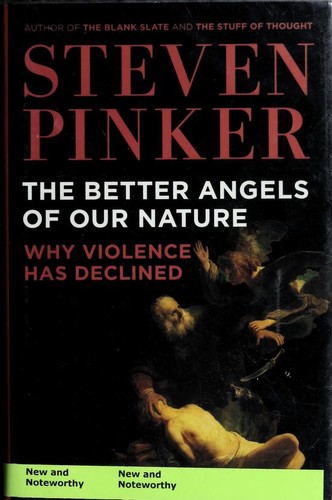
The better angels of our nature
848 pages
A sweeping, data-driven journey through the darkest chapters of human history that ultimately builds a profound case for optimism.
What it feels like
Reading this massive, intellectually rigorous tome feels like stepping back from the chaotic daily news cycle to view humanity through a wide-angle lens. The pace is steady and deliberate, anchoring you in a sea of graphs, historical anecdotes, and psychological insights. While the early chapters plunge you into the sobering, often gruesome realities of our brutal past, the overarching mood is surprisingly hopeful and expansive. The prose is clear, authoritative, and persuasive, designed to dismantle fatalistic assumptions with relentless data. It is a deeply cerebral experience that rewards patient, curious readers who love Big Idea books. You will emerge from this sweeping exploration of human nature feeling intellectually challenged, cautiously optimistic, and fundamentally changed in how you perceive the modern world.
- Mood
- intellectually rigorous
- expansive
- hopeful
- sobering
- Tone
- analytical
- optimistic
- authoritative
- persuasive
- Pace
- steady
- Themes
- the arc of human progress · the duality of human nature · the civilizing process · the power of reason
- The writing
- Clear, erudite, and highly structured, balancing dense statistical analysis with engaging historical anecdotes.
- The arc
- Moves from the visceral shock of historical brutality to a sweeping, data-backed sense of cautious optimism and relief.
- Who it's for
- Curious, data-minded readers who enjoy sweeping historical narratives and Big Idea books that challenge conventional pessimism.
Content notes
- historical violence
- war and genocide
- torture
- child abuse
- sexual violence
About the book
From Goodreads: Selected by The New York Times Book Review as a Notable Book of the Year The author of The The Stuff of Thought offers a controversial history of violence.
Faced with the ceaseless stream of news about war, crime, and terrorism, one could easily think we live in the most violent age ever seen. Yet as author Steven Pinker shows in this startling and engaging new work, just the opposite is true: violence has been diminishing for millennia and we may be living in the most peaceful time in our species's existence. For most of history, war, slavery, infanticide, child abuse, assassinations, pogroms, gruesome punishments, deadly quarrels, and genocide were ordinary features of life. But today, Pinker shows (with the help of more than a hundred graphs and maps) all these forms of violence have dwindled and are widely condemned. How has this happened?
This groundbreaking book continues Pinker's exploration of the essence of human nature, mixing psychology and history to provide a remarkable picture of an increasingly nonviolent world. The key, he explains, is to understand our intrinsic motives- the inner demons that incline us toward violence and the better angels that steer us away-and how changing circumstances have allowed our better angels to prevail. Exploding fatalist myths about humankind's inherent violence and the curse of modernity, this ambitious and provocative book is sure to be hotly debated in living rooms and the Pentagon alike, and will challenge and change the way we think about our society.
Description from Open Library.
Books like The better angels of our nature
See why they match Enlightenment nowSteven PinkerA sweeping, data-driven antidote to cultural pessimism that argues the world is actually getting better.
 The Righteous MindJonathan HaidtA paradigm-shifting journey into the human brain that completely changes how you view the people you disagree with.
 The anatomy of violenceAdrian RaineA chilling, scientifically grounded exploration of the biological roots of human evil that will fundamentally alter how you view free will.
 EvilJulia ShawA provocative, science-backed exploration that dismantles our cultural assumptions about what makes a person truly monstrous.
 The Stuff of ThoughtSteven PinkerA witty, mind-expanding deep dive into the hidden cognitive machinery behind the words we use every day.
 The End of FaithSam HarrisAn uncompromising, razor-sharp intellectual wake-up call that dismantles the societal taboo against criticizing religious dogma.