Books › The Canterbury Tales

The Canterbury Tales
1328 pages
A boisterous, earthy pilgrimage through the sacred and profane extremes of human nature, told by a chorus of unforgettable voices.
What it feels like
Reading this foundational classic feels like stepping into a crowded, raucous medieval tavern where every patron has a story to tell. The experience is wonderfully meandering, shifting gears from pious moralizing to laugh-out-loud bawdiness from one tale to the next. You are immersed in an earthy, convivial atmosphere that perfectly captures the friction and camaraderie of a diverse group of travelers. The language—whether experienced in its rhythmic Middle English or a lively modern translation—is sharp, observant, and deeply ironic, exposing the hypocrisies of class and clergy with a wink. It delights readers who love character-driven satire and historical tapestries, offering a timeless, unfiltered look at the messy, beautiful spectrum of human morality and the enduring power of a good yarn.
- Mood
- earthy
- convivial
- boisterous
- reflective
- Tone
- satirical
- bawdy
- observant
- ironic
- earnest
- Pace
- meandering
- Themes
- social hypocrisy · the sacred and the profane · storytelling as connection · class dynamics · human frailty
- The writing
- Rhythmic and richly textured, blending high poetic form with earthy, colloquial dialogue that brings its diverse cast to life.
- The arc
- Shifts wildly from raucous laughter and cynical amusement to earnest moral reflection, mirroring the messy diversity of human experience.
- Who it's for
- Lovers of classic literature and character-driven satire who enjoy peeling back historical language to find timeless, recognizable human flaws.
Content notes
- bawdy humor
- sexual innuendo
- religious satire
- medieval antisemitism
- violence
About the book
A collection of stories written in Middle English by Geoffrey Chaucer at the end of the 14th century. The tales (mostly in verse, although some are in prose) are told as part of a story-telling contest by a group of pilgrims as they travel together on a journey from Southwark to the shrine of Saint Thomas Becket at Canterbury Cathedral. In a long list of works, including Troilus and Criseyde, House of Fame, and Parliament of Fowls, The Canterbury Tales was Chaucer's magnum opus. He uses the tales and the descriptions of the characters to paint an ironic and critical portrait of English society at the time, and particularly of the Church. Structurally, the collection bears the influence of The Decameron, which Chaucer is said to have come across during his first diplomatic mission to Italy in 1372. However, Chaucer peoples his tales with 'sondry folk' rather than Boccaccio's fleeing nobles.
Description from Open Library.
Books like The Canterbury Tales
See why they match Le Morte d'ArthurThomas MaloryA sprawling, tragic tapestry of a doomed golden age, woven with chivalric quests, fatal romances, and the fading light of myth.
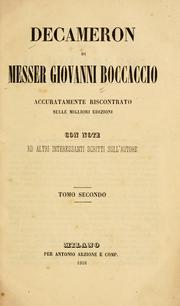 DecameroneGiovanni BoccaccioA vibrant, bawdy celebration of human wit and desire told as a lush escape from the shadow of death.
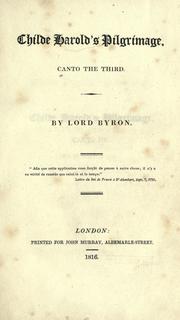 Childe Harold's pilgrimageLord George Gordon ByronA brooding, atmospheric journey through the ruins of Europe with a narrator who is entirely over society but deeply in love with the sublime.
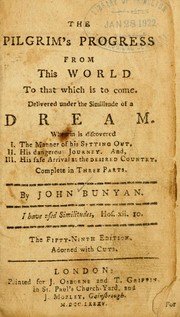 The Pilgrim's ProgressJohn BunyanA foundational, dreamlike allegory that maps the perilous geography of the human soul on its quest for salvation.
 Worlds' EndNeil GaimanA cozy but deeply unsettling collection of nested tales shared by stranded travelers while the universe fractures outside.
 Arabian NightsByatt, A.S.A dizzying, opulent labyrinth of nested tales where the sheer act of storytelling becomes a desperate, beautiful bid for survival.