Books › The Color of Law

The Color of Law
368 pages
A meticulously documented dismantling of American historical myths that leaves you forever changed in how you view the neighborhoods around you.
What it feels like
Reading this book feels like watching a massive, complex puzzle being assembled right before your eyes, revealing a picture that is both undeniable and deeply infuriating. The pace is steady and methodical, driven by an uncompromising accumulation of historical evidence rather than emotional manipulation. It immerses you in a sobering, eye-opening atmosphere where long-held myths about accidental segregation are systematically dismantled. The prose is clear, authoritative, and rigorously documented, demanding your full attention as it lays bare the deliberate architecture of American inequality. It is a heavy but profoundly necessary experience, designed for readers who want to understand the deep, structural roots of modern racial disparity and who are willing to confront the uncomfortable truths of our shared past.
- Mood
- sobering
- infuriating
- eye-opening
- heavy
- Tone
- authoritative
- rigorous
- uncompromising
- urgent
- Pace
- steady
- Themes
- systemic injustice · the architecture of inequality · historical accountability · generational wealth disparity · the myth of accidental segregation
- The writing
- Clear, methodical, and heavily documented, the writing prioritizes precision and irrefutable evidence over rhetorical flourish.
- The arc
- The reader moves from a baseline of assumed historical understanding into profound outrage at the deliberate mechanics of systemic racism, culminating in a heavy sense of moral obligation.
- Who it's for
- Readers seeking to dismantle their own misconceptions about American history and understand the structural roots of modern inequality will find this essential.
Content notes
- systemic racism
- racial violence
- housing discrimination
- historical trauma
About the book
Widely heralded as a "masterful" (Washington Post) and "essential" (Slate) history of the modern American metropolis, Richard Rothstein's The Color of Law offers "the most forceful argument ever published on how federal, state, and local governments gave rise to and reinforced neighborhood segregation" (William Julius Wilson). Exploding the myth of de facto segregation arising from private prejudice or the unintended consequences of economic forces, Rothstein describes how the American government systematically imposed residential segregation: with undisguised racial zoning; public housing that purposefully segregated previously mixed communities; subsidies for builders to create whites-only suburbs; tax exemptions for institutions that enforced segregation; and support for violent resistance to African Americans in white neighborhoods. A groundbreaking, "virtually indispensable" study that has already transformed our understanding of twentieth-century urban history (Chicago Daily Observer), The Color of Law forces us to face the obligation to remedy our unconstitutional past.
Description from Open Library.
Books like The Color of Law
See why they match Stamped from the BeginningIbram X. KendiA monumental, paradigm-shifting journey through the intellectual history of American racism that demands a fundamental rewiring of how you view the present.
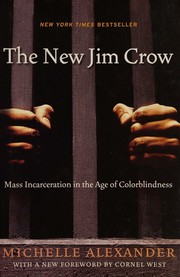 The New Jim CrowMichelle AlexanderA paradigm-shifting, meticulously argued dismantling of the American justice system that leaves you forever changed.
 RacecraftKaren E. Fields and Barbara J. FieldsA paradigm-shifting intellectual journey that dismantles the very vocabulary we use to talk about inequality.
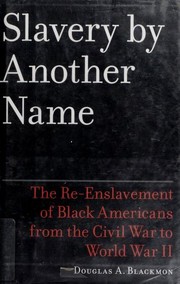 Slavery by another nameDouglas A. BlackmonA devastating, meticulously documented reckoning that shatters the myth of emancipation and exposes the brutal machinery of systemic exploitation.
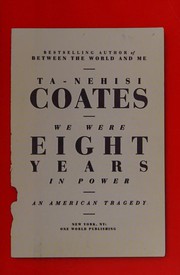 We Were Eight Years in PowerTa-Nehisi CoatesA fierce, lyrical reckoning with American history that bridges the personal and the political with devastating clarity.
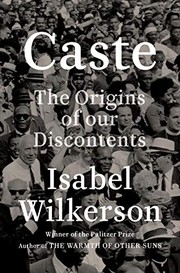 CasteIsabel WilkersonA paradigm-shifting lens that reframes everything you thought you knew about American history and the invisible architecture of power.