Books › Caste

Caste
678 pages
A paradigm-shifting lens that reframes everything you thought you knew about American history and the invisible architecture of power.
What it feels like
Reading this book feels like having a heavy, opaque veil slowly lifted from your eyes. It is a steady, sobering journey that fundamentally alters how you perceive the social fabric of everyday life. The narrative blends the rigorous, analytical weight of history with the intimate, empathetic texture of personal storytelling, creating an atmosphere that is both deeply unsettling and profoundly illuminating. You are guided through centuries of systemic design with prose that is lyrical yet unflinchingly precise, demanding quiet reflection as the sheer scale of the invisible architecture becomes clear. It is an essential, paradigm-shifting experience for anyone who wants to understand the deep, unspoken rules governing human value, leaving you forever changed by its urgent, resonant truths.
- Mood
- illuminating
- unsettling
- reflective
- heavy
- Tone
- authoritative
- urgent
- empathetic
- analytical
- sobering
- Pace
- steady
- Themes
- hidden hierarchies · systemic inequality · historical trauma · the architecture of power · shared humanity
- The writing
- Lyrical and precise, weaving rigorous historical analysis with deeply moving, narrative-driven storytelling.
- The arc
- Moves from a jarring paradigm shift to deep, unsettling recognition, culminating in an urgent plea for collective awakening.
- Who it's for
- Readers seeking to understand the deep, structural roots of American inequality through a masterful blend of history, sociology, and personal narrative.
Content notes
- racism
- systemic violence
- antisemitism and Holocaust references
- slavery
- eugenics
About the book
“As we go about our daily lives, caste is the wordless usher in a darkened theater, flashlight cast down in the aisles, guiding us to our assigned seats for a performance. The hierarchy of caste is not about feelings or morality. It is about power—which groups have it and which do not.”
In this brilliant book, Isabel Wilkerson gives us a masterful portrait of an unseen phenomenon in America as she explores, through an immersive, deeply researched narrative and stories about real people, how America today and throughout its history has been shaped by a hidden caste system, a rigid hierarchy of human rankings.
Beyond race, class, or other factors, there is a powerful caste system that influences people’s lives and behavior and the nation’s fate. Linking the caste systems of America, India, and Nazi Germany, Wilkerson explores eight pillars that underlie caste systems across civilizations, including divine will, bloodlines, stigma, and more. Using riveting stories about people—including Martin Luther King, Jr., baseball’s Satchel Paige, a single father and his toddler son, Wilkerson herself, and many others—she shows the ways that the insidious undertow of caste is experienced every day. She documents how the Nazis studied the racial systems in America to plan their out-cast of the Jews; she discusses why the cruel logic of caste requires that there be a bottom rung for those in the middle to measure themselves against; she writes about the surprising health costs of caste, in depression and life expectancy, and the effects of this hierarchy on our culture and politics. Finally, she points forward to ways America can move beyond the artificial and destructive separations of human divisions, toward hope in our common humanity.
Beautifully written, original, and revealing, Caste: The Origins of Our Discontents is an eye-opening story of people and history, and a reexamination of what lies under the surface of ordinary lives and of American life today. --
Description from Open Library.
Books like Caste
See why they match How to Be an AntiracistIbram X. KendiA deeply personal and intellectually rigorous invitation to unlearn systemic biases and actively build a more equitable world.
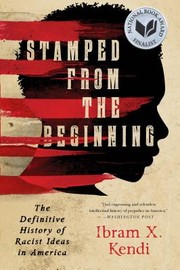 Stamped from the BeginningIbram X. KendiA monumental, paradigm-shifting journey through the intellectual history of American racism that demands a fundamental rewiring of how you view the present.
 RacecraftKaren E. Fields and Barbara J. FieldsA paradigm-shifting intellectual journey that dismantles the very vocabulary we use to talk about inequality.
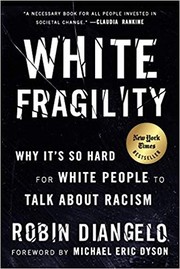 White FragilityDr. Robin DiAngeloA direct, challenging mirror held up to the defensive reflexes that uphold systemic inequality.
 The Color of LawRichard RothsteinA meticulously documented dismantling of American historical myths that leaves you forever changed in how you view the neighborhoods around you.
 How Fascism WorksJason StanleyAn urgent, clarifying lens that snaps the chaotic rhetoric of modern politics into a chillingly recognizable historical pattern.