Books › The Fifth Generation

The Fifth Generation
First published 1983 · 334 pages
A fascinating, retro-futuristic time capsule of 1980s tech anxiety and the dawn of the artificial intelligence race.
What it feels like
Reading this book feels like stepping into a high-stakes 1980s boardroom where the future of global technology is being fiercely debated. The narrative moves at a brisk, urgent clip, driven by a palpable sense of international rivalry and technological anxiety. It immerses you in a retro-futuristic mood, capturing the exact moment when artificial intelligence shifted from science fiction to a matter of national security and economic dominance. The prose is sharp, journalistic, and highly persuasive, translating complex computer science concepts into a gripping geopolitical narrative. It will deeply delight tech historians, AI enthusiasts, and anyone fascinated by the cyclical nature of tech booms, offering a thrilling, time-capsule glimpse into the anxieties and ambitions that shaped the modern digital world.
- Mood
- anticipatory
- competitive
- retro-futuristic
- Tone
- urgent
- analytical
- visionary
- cautionary
- Pace
- brisk
- Themes
- technological anxiety · international rivalry · the dawn of AI · national innovation · shifting global power
- The writing
- Journalistic and persuasive, blending accessible technical foresight with the gripping urgency of a geopolitical thriller.
- The arc
- Moves from a sense of looming technological threat to an energized rallying cry for strategic innovation.
- Who it's for
- Tech historians, AI enthusiasts, and readers fascinated by 1980s business rivalries and the early promises of artificial intelligence.
About the book
The term 'fifth generation' refers to the computers now being designed as part of an ambitious national project [1] at the Institute of New Generation Computer Technology (ICOT) in Tokyo. According to Kazuhiro Fuchi, direc- tor of ICOT, the project is intended to create machines and programs that can eMciently process symbolic information for artificial intelligence applications. He calls them KIPS for 'knowledge information processing systems'. The boldness of the Japanese plan and the level of public and industrial support for it ($855 million over 10 years) have attracted considerable international atten- tion, debate, and controversy. Feigenbaum and McCorduck's book will be read by almost everyone inter- ested in the Japanese 5th generation computer project. It is about what the Japanese are doing, what their plans are, and what they might realistically accomplish. It is also about the state of the art in knowledge engineering, the importance to the military of a technological edge, the alternatives for an American response, and advice about placing one's bets in research. "What are the objectives of the fifth generation project?.... Will the Japanese succeed?.... What should the American role be?" Questions like these, which surround the fifth generation project, do not yield to one-dimensional answers. Here the authors show breadth and skill at finding and weighing relevant factors. For example, they examine the Japanese strengths and weaknesses, and the technological costs and risks in three short chapters: "What's Wrong", "What's Right", and "What's Real". So what's wrong? "The science upon which these plans are laid lies at the outermost edge (and in some cases, well beyond) what computer science knows at present. The plan is risky; it contains several 'scheduled breakthroughs'". The project needs early successes to maintain momentum. Computer science education is mediocre in Japan, and there are few computer scientists to make Artificial Intelligence 22 (1984) 219-226 0004-3702/84/$3.00© 1984,ElsevierSciencePublishersB.V.(North-Holland
Description from Open Library.
Books like The Fifth Generation
See why they match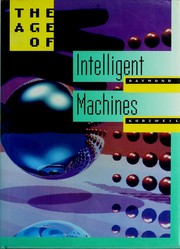 The Age of Intelligent MachinesRay KurzweilA visionary and expansive exploration of how human thought gave rise to machines that might one day outthink us.
 The age of spiritual machinesRay KurzweilA dizzying, prophetic glimpse into a future where silicon and soul become indistinguishable.
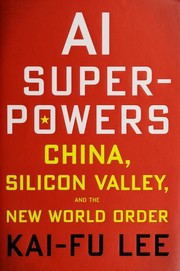 AI superpowersKai-Fu LeeA sweeping, urgent look at the future of technology that grounds its geopolitical forecasts in a deeply humanistic core.
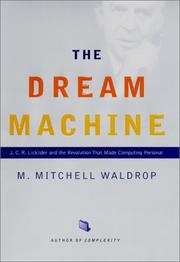 The Dream MachineM. Mitchell WaldropA sweeping, meticulously detailed journey into the minds of the quiet visionaries who dreamed up the digital age.
 The machine that changed the worldJames P. WomackA methodical, paradigm-shifting exploration of how rethinking systems can revolutionize the way the world works.
 Representing and reasoning with probabilistic knowledgeFahiem BacchusA rigorous, deeply analytical dive into the mathematical foundations of how machines handle uncertainty.