Books › The God that failed

The God that failed
280 pages
A somber, deeply personal exploration of how the hopeful pursuit of a political ideal can curdle into agonizing disillusionment.
What it feels like
Reading this collection feels like sitting in a room with some of the twentieth century's sharpest minds as they confess their greatest intellectual regrets. The pace is steady and reflective, anchored by a somber, deeply analytical mood that permeates each essay. It is a book defined by its emotional gravity, tracing a collective arc from the earnest, hopeful pursuit of human betterment to the agonizing revulsion of ideological failure. The prose is confessional yet historically grounded, blending personal vulnerability with sharp political critique. It will deeply resonate with readers who are fascinated by Cold War history, the psychology of political conversion, and the heavy burden carried by intellectuals who watched their utopian dreams collapse.
- Mood
- somber
- intellectual
- tumultuous
- agonized
- Tone
- reflective
- earnest
- disillusioned
- confessional
- analytical
- Pace
- steady
- Themes
- ideological disillusionment · the search for human betterment · political conversion · intellectual agony · the realities of the Cold War
- The writing
- A collection of thoughtful, confessional essays that blend personal narrative with sharp political and historical analysis.
- The arc
- Moves from the hopeful pursuit of human betterment to the agonizing realization and revulsion of ideological failure.
- Who it's for
- Readers fascinated by twentieth-century intellectual history, the Cold War, and the personal psychology behind political extremism and disillusionment.
Content notes
- political disillusionment
- ideological extremism
- descriptions of personal agony
About the book
The God That Failed is a classic work and crucial document of the Cold War that brings together essays by six of the most important writers of the twentieth century on their conversion to and subsequent disillusionment with communism. In describing their own experiences, the authors illustrate the fate of leftism around the world. André Gide (France), Richard Wright (the United States), Ignazio Silone (Italy), Stephen Spender (England), Arthur Koestler (Germany), and Louis Fischer, an American foreign correspondent, all tell how their search for the betterment of humanity led them to communism, and the personal agony and revulsion which then caused them to reject it. This central work of the time recounts the tumultuous events of the era, providing essential background.
Description from Open Library.
Books like The God that failed
See why they match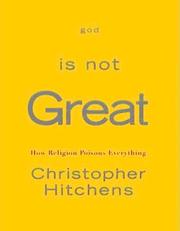 God Is Not GreatChristopher HitchensA blistering, erudite polemic that tears down dogma to make room for the awe-inspiring beauty of human reason.
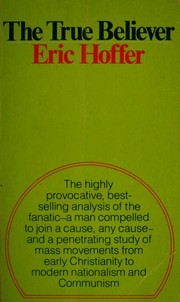 The True Believer:Thoughts on the Nature of Mass MovementsEric HofferA chillingly lucid dissection of the psychological hunger that drives ordinary people into the arms of fanatical movements.
 The Cold WarJohn Lewis GaddisA sweeping, authoritative journey through the ideological standoff that held the world hostage for half a century.
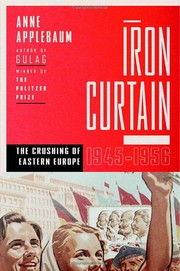 Iron CurtainAnne ApplebaumA chilling, meticulously detailed descent into the mechanics of totalitarianism and the suffocating reality of life under absolute state control.
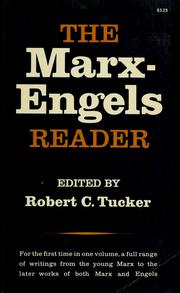 The Marx-Engels readerRobert C. TuckerA dense, fiery plunge into the foundational texts of systemic critique and revolutionary thought.
 The great terrorRobert ConquestA scrupulous and deeply disturbing chronicle that blends poetic prose with rigorous research to capture the tragedy of state-sponsored terror.