Books › The Government Machine

The Government Machine
564 pages
A methodical exploration of how the gears of government transformed into the circuits of modern computing.
What it feels like
Reading this book feels like stepping into the meticulously organized archives of history, tracing the quiet but revolutionary shift from human bureaucracy to digital administration. The pace is steady and deliberate, matching the methodical nature of the civil service it examines. It immerses the reader in an intellectual and structured mood, offering a scholarly lens on how expert movements and the desire for state control drove the mechanization of government. The prose is analytical and grounded, carefully building the argument that the modern computer is the ultimate evolution of the civil servant. It will deeply satisfy readers who are fascinated by the hidden technological architectures of public administration and the historical evolution of state power.
- Mood
- intellectual
- structured
- historical
- Tone
- analytical
- scholarly
- objective
- insightful
- Pace
- steady
- Themes
- technological transformation · the nature of expertise · bureaucratic control · mechanization of the state
- The writing
- Academic and methodical, carefully constructing arguments through historical evidence and conceptual analysis.
- The arc
- A steady intellectual journey from historical curiosity to a profound understanding of modern bureaucracy's technological roots.
- Who it's for
- Readers fascinated by the intersection of technology, history, and public administration, particularly those who enjoy deep dives into how bureaucratic systems evolve.
About the book
"In The Government Machine Jon Agar traces the mechanization of government work in the United Kingdom from the nineteenth to the early twenty-first century. He argues that this transformation has been tied to the rise of "expert movements," groups whose authority has rested on their expertise. The deployment of machines was an attempt to gain control over state action - a revolutionary move.
Agar shows how mechanization followed the popular depiction of government as machine-like, with British civil servants cast as components of a general-purpose "government machine"; indeed, he argues that today's general-purpose computer is the apotheosis of the civil servant."--Jacket.
Description from Open Library.
Books like The Government Machine
See why they match How not to network a nationBenjamin PetersA fascinating, ironic exploration of how bureaucratic infighting suffocated a technological utopia.
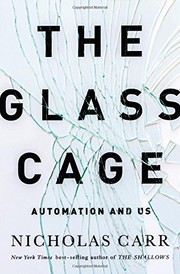 The Glass CageNicholas CarrA thoughtful, cautionary exploration of how our increasing reliance on automation and screens is quietly reshaping the human experience.
 Machines of loving graceJohn MarkoffA sweeping, journalistic exploration of the ethical tightrope between human agency and artificial intelligence.
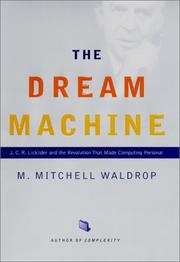 The Dream MachineM. Mitchell WaldropA sweeping, meticulously detailed journey into the minds of the quiet visionaries who dreamed up the digital age.
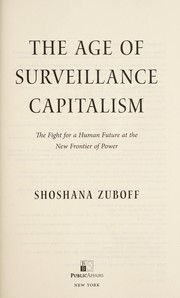 The Age of Surveillance CapitalismShoshana ZuboffA monumental, dread-inducing masterclass that provides the exact vocabulary needed to understand how the digital world is strip-mining human autonomy.
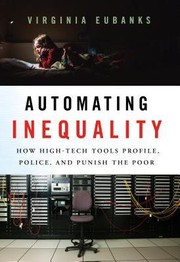 Automating InequalityVirginia EubanksA sobering, urgent investigation into how modern algorithms encode and amplify bureaucratic cruelty against the most vulnerable.