Books › Automating Inequality

Automating Inequality
287 pages
A sobering, urgent investigation into how modern algorithms encode and amplify bureaucratic cruelty against the most vulnerable.
What it feels like
Reading this book feels like having a blindfold removed, revealing a chilling landscape where technology amplifies systemic cruelty. The pace is steady and methodical, guiding the reader through a sobering investigation of algorithmic injustice. It balances the cold, hard facts of data mining and predictive models with deeply empathetic, heart-wrenching human stories. The mood is urgent and often oppressive, as the narrative exposes how digital systems quietly police and punish the poor and working-class. The prose is clear, rigorous, and deeply humanizing, refusing to let the reader look away from the devastating real-world consequences of automated bureaucracy. It is an essential, eye-opening read for anyone passionate about social justice, public policy, and the hidden human costs of our digital age.
- Mood
- sobering
- chilling
- heart-wrenching
- oppressive
- Tone
- urgent
- investigative
- empathetic
- critical
- indignant
- Pace
- steady
- Themes
- systemic discrimination · the human cost of technology · bureaucratic cruelty · poverty and surveillance · algorithmic injustice
- The writing
- Clear, investigative, and deeply humanizing, blending rigorous systemic analysis with devastating personal narratives.
- The arc
- Moves from a chilling realization of systemic technological control to deep, heart-wrenching empathy for the individuals crushed beneath it.
- Who it's for
- Readers who want to understand the intersection of technology, social justice, and public policy, and those who care deeply about systemic inequality.
Content notes
- poverty
- systemic discrimination
- child welfare investigations
- medical neglect
- homelessness
About the book
A powerful investigative look at data-based discrimination—and how technology affects civil and human rights and economic equity
The State of Indiana denies one million applications for healthcare, foodstamps and cash benefits in three years—because a new computer system interprets any mistake as “failure to cooperate.” In Los Angeles, an algorithm calculates the comparative vulnerability of tens of thousands of homeless people in order to prioritize them for an inadequate pool of housing resources. In Pittsburgh, a child welfare agency uses a statistical model to try to predict which children might be future victims of abuse or neglect.
Since the dawn of the digital age, decision-making in finance, employment, politics, health and human services has undergone revolutionary change. Today, automated systems—rather than humans—control which neighborhoods get policed, which families attain needed resources, and who is investigated for fraud. While we all live under this new regime of data, the most invasive and punitive systems are aimed at the poor.
In Automating Inequality, Virginia Eubanks systematically investigates the impacts of data mining, policy algorithms, and predictive risk models on poor and working-class people in America. The book is full of heart-wrenching and eye-opening stories, from a woman in Indiana whose benefits are literally cut off as she lays dying to a family in Pennsylvania in daily fear of losing their daughter because they fit a certain statistical profile.
The U.S. has always used its most cutting-edge science and technology to contain, investigate, discipline and punish the destitute. Like the county poorhouse and scientific charity before them, digital tracking and automated decision-making hide poverty from the middle-class public and give the nation the ethical distance it needs to make inhumane choices: which families get food and which starve, who has housing and who remains homeless, and which families are broken up by the state. In the process, they weaken democracy and betray our most cherished national values.
Description from Open Library.
Books like Automating Inequality
See why they match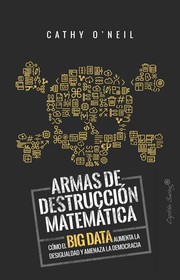 Weapons of Math DestructionCathy O'NeilAn urgent, eye-opening exploration of how invisible algorithms quietly dictate our lives and reinforce societal inequalities.
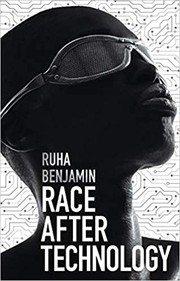 Race After TechnologyRuha BenjaminA sharp, eye-opening dismantling of the myth that algorithms and emerging technologies are inherently neutral.
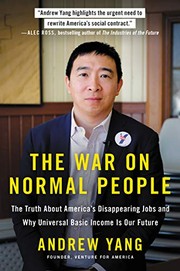 The war on normal peopleAndrew YangAn urgent, eye-opening exploration of technological disruption that pivots from economic alarm to a rallying cry for systemic change.
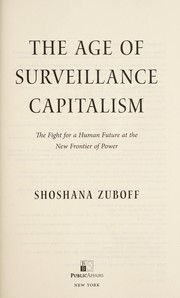 The Age of Surveillance CapitalismShoshana ZuboffA monumental, dread-inducing masterclass that provides the exact vocabulary needed to understand how the digital world is strip-mining human autonomy.
 The Technology TrapCarl Benedikt FreyA sweeping, sobering historical lens on the human cost of technological progress and the fragile balance of societal power.
 Invisible WomenCaroline Criado PerezAn infuriating, deeply validating avalanche of data proving the modern world was literally built around the default male.