Books › The Heart of Everything that Is
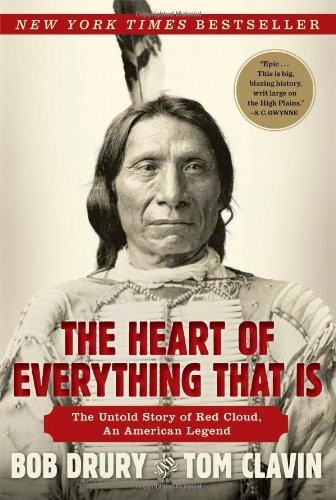
The Heart of Everything that Is
432 pages
A sweeping, cinematic history that reads like an epic novel of resistance, strategy, and the tragic collision of two worlds.
What it feels like
Reading this book feels like watching a sweeping historical epic unfold on a massive screen. The narrative moves with a brisk, cinematic momentum, pulling you into the dust, blood, and political maneuvering of the nineteenth-century American West. It is steeped in a tense, immersive atmosphere where the stakes are nothing less than the survival of a culture. The authors craft a deeply respectful and dramatic portrait, balancing the visceral thrill of brilliant military strategy with the heavy, elegiac dread of knowing the broader historical outcome. It will thoroughly delight fans of narrative nonfiction who crave character-driven histories that challenge the traditional myths of the frontier, offering a gripping, emotionally resonant journey through a forgotten war.
- Mood
- sweeping
- tense
- elegiac
- immersive
- Tone
- authoritative
- dramatic
- respectful
- gripping
- Pace
- brisk
- Themes
- indigenous resistance · clash of cultures · the cost of expansion · leadership and strategy · myth of the American West
- The writing
- Cinematic and highly narrative, blending meticulous historical research with the propulsive momentum of an adventure novel.
- The arc
- Begins with the awe-inspiring rise of a brilliant strategist and builds through tense, triumphant resistance before settling into the tragic inevitability of historical erasure.
- Who it's for
- Readers who devour character-driven narrative history and want to see the mythology of the American West dismantled and rebuilt from a new perspective.
Content notes
- graphic violence
- war and battle sequences
- cultural genocide
- racism
- animal death
About the book
The great Sioux warrior-statesman Red Cloud was the only American Indian in history to defeat the United States Army in a war, forcing the government to sue for peace on his terms. At the peak of Red Cloud's powers, the Sioux could claim control of one-fifth of the contiguous United States and the loyalty of thousands of fierce fighters. But the fog of history has left Red Cloud strangely obscured. Born in 1821 near the Platte River in modern-day Nebraska, Red Cloud lived an epic life of courage, wisdom, and fortitude in the face of a relentless enemy -- the soldiers and settlers who represented the "manifest destiny" of an expanding America. He grew up an orphan and had to overcome numerous social disadvantages to advance in Sioux culture. Red Cloud did that by being the best fighter, strategist, and leader of his fellow warriors. As the white man pushed farther and farther west, they stole the Indians' land, slaughtered the venerated buffalo, and murdered with impunity anyone who resisted their intrusions. The final straw for Red Cloud and his warriors was the U.S. government's frenzied spate of fort building throughout the pristine Powder River Country that abutted the Sioux's sacred Black Hills -- Paha Sapa to the Sioux, or "The Heart of Everything That Is." The result was a gathering of angry tribes under one powerful leader. What came to be known as Red Cloud's War (1866-1868) culminated in a massacre of American cavalry troops that presaged the Little Bighorn and served warning to Washington that the Plains Indians would fight, and die, for their land and traditions. But many more American soldiers would die first. - Jacket flap.
Description from Open Library.
Books like The Heart of Everything that Is
See why they match Bury My Heart at Wounded KneeAmy ErlichA devastating, essential reckoning with the brutal realities of American expansion, told through the voices of those who survived its wake.
 Black Elk speaksJohn G. NeihardtA visionary and elegiac oral history that immerses the reader in the spiritual depth and tragic twilight of the traditional Lakota way of life.
 Empire of the summer moonS. C. GwynneA sweeping, blood-soaked history of the American frontier that reads with the relentless momentum of a thriller.
 Rebel YellS. C. GwynneA swiftly vivid and thrilling immersion into the tactical brilliance and tragic personal life of a legendary military figure.
 Winter CountsDavid Heska Wanbli WeidenA gritty, hard-boiled descent into the shadows of the American justice system, fueled by fierce loyalty and the ghosts of history.
 Little Big ManThomas BergerA sprawling, tragicomic tall tale that dismantles the mythology of the American West through the eyes of its most resilient, cynical survivor.