Books › The hundred-year marathon

The hundred-year marathon
352 pages
A sobering, insider's look at global power dynamics that reads like a geopolitical thriller.
What it feels like
Reading this book feels like sitting in a classified briefing room as a seasoned intelligence insider pulls back the curtain on decades of geopolitical miscalculation. The pace is brisk and urgent, driven by a sobering blend of historical analysis and personal mea culpa. It strips away the comfortable assumptions of American supremacy, replacing them with a tense, alarming atmosphere that borders on a real-world thriller. The prose is clear, authoritative, and highly accessible, translating complex statecraft and foreign policy into a gripping narrative of deception and strategy. It is a must-read for policy wonks, history buffs, and anyone fascinated by global power shifts, offering a chilling but necessary recalibration of how we view the future of international relations.
- Mood
- sobering
- tense
- alarming
- urgent
- Tone
- urgent
- authoritative
- cautionary
- analytical
- Pace
- brisk
- Themes
- geopolitical deception · the blindness of hubris · shifting global power · strategic foresight
- The writing
- Clear, accessible, and journalistic, blending insider memoir with sharp historical analysis.
- The arc
- Moves from a comfortable assumption of American supremacy to a chilling realization of strategic vulnerability, ending with an urgent call to action.
- Who it's for
- Geopolitics enthusiasts and policy wonks who enjoy feeling like they are getting a peek behind the curtain of global intelligence.
Content notes
- political tension
- discussions of warfare
About the book
"For more than forty years, the United States has reached out to China, helping it develop a booming economy and take its place on the world stage, in the belief that there is little to fear--and everything to gain--from China's rise. But what if the Chinese have had a different plan all along? The Hundred-Year Marathon reveals China's secret strategy to supplant the United States as the world's dominant power, and to do so by 2049, the one hundredth anniversary of the founding of the People's Republic. Michael Pillsbury, who has served in senior national security positions in the U.S. government since the days of Richard Nixon and Henry Kissinger, draws on Chinese documents, speeches, and books (many of them never translated into English) to reveal the roots of this strategy in traditional Chinese statecraft and track how the Chinese are putting it into practice today. Pillsbury shows how American policymakers have been willfully blind to these developments for decades--and he includes himself in that critique, as he was once a leading voice in favor of aiding China. He also calls for the United States to design a new, more competitive strategy toward China as it really is, and not as we might wish it to be. The Hundred-Year Marathon is a wakeup call for all Americans concerned about how we have misread the greatest national security challenge of the twenty-first century"--
Description from Open Library.
Books like The hundred-year marathon
See why they match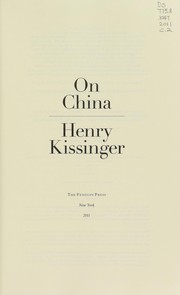 On ChinaHenry KissingerA sweeping, statesman's-eye view of a civilization's grand strategy and its high-stakes collision with the modern world.
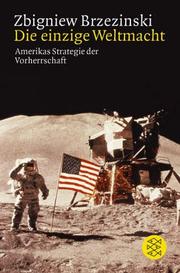 The Grand ChessboardZbigniew BrzezinskiA masterclass in cold, calculated geopolitical strategy that views the globe as a literal game board.
 The PartyRichard McGregorAn analytical and eye-opening deep dive into the secretive machinery behind a global superpower.
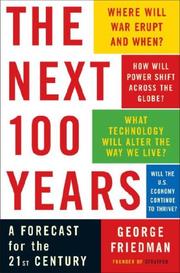 The Next 100 YearsGeorge FriedmanA sweeping, provocative thought experiment that treats the future of global power as a grand, predictable chessboard.
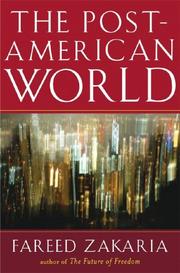 The post-American worldFareed ZakariaA clear-eyed, panoramic view of a rapidly changing globe that replaces anxiety with pragmatic optimism.
 Day of EmpireAmy ChuaA sweeping, macro-historical lens on the mechanics of global dominance and the surprising role of tolerance in building empires.