Books › The Information
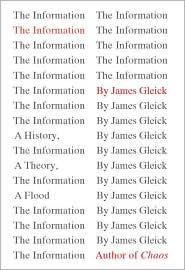
The Information
A History, a Theory, a Flood
570 pages
A sweeping, cerebral journey that transforms how you perceive the invisible architecture of human thought and communication.
What it feels like
Reading this book feels like putting on a pair of glasses that suddenly reveals the invisible matrix connecting all of human history. It is a steady, deeply cerebral journey that moves from the rhythmic beats of African talking drums to the dizzying, abstract realms of quantum computing. The prose is elegant and lucid, effortlessly translating dense mathematical and scientific concepts into a narrative of profound wonder. You will find yourself immersed in an expansive, illuminating atmosphere, though occasionally brushed by the existential vertigo of our modern data flood. It is a feast for the endlessly curious reader who delights in paradigm-shifting histories, offering a sweeping emotional arc that begins in historical curiosity and culminates in a breathtaking awe at the very fabric of reality.
- Mood
- cerebral
- expansive
- illuminating
- vertiginous
- Tone
- lucid
- inquisitive
- authoritative
- awe-struck
- Pace
- steady
- Themes
- the evolution of communication · the nature of knowledge · technological paradigm shifts · the burden of data · interconnectedness
- The writing
- Elegant, deeply researched, and accessible, weaving complex scientific concepts into compelling narrative history.
- The arc
- Moves from historical curiosity to profound awe at the underlying structure of reality, ending with a contemplative acceptance of our data-saturated world.
- Who it's for
- Curious minds who love deep dives into the history of science, technology, and the invisible forces shaping human thought.
Content notes
- existential dread regarding information overload
About the book
The Information: A History, a Theory, a Flood begins with the tale of colonial European explorers and their fascination with African talking drums and their observed use to send complex and widely understood messages back and forth between villages far apart, and over even longer distances by relay. The book then covers informational implications of technologies from drum signaling to the long distance telephone.
Starting with symbolic written language, The Information examines the history of intellectual insights central to the development of information theory, detailing key figures responsible such as Claude Shannon, Charles Babbage (1791-1871), Ada Byron, Samuel Morse, Alan Turing, Stephen Hawking, Richard Dawkins and John Archibald Wheeler.
Description from Open Library.
Books like The Information
See why they match A mind at playJimmy Soni and Rob GoodmanA joyful, intellectually stimulating exploration of the eccentric genius who quietly laid the foundation for the entire digital age.
 The InnovatorsWalter IsaacsonA sweeping, deeply human exploration of the collaborative genius that wired our modern world.
 The Master SwitchTim WuA sweeping, cautionary journey through the history of media that reveals how every open frontier of communication eventually falls to corporate empires.
 CodeCharles PetzoldA brilliantly patient unraveling of the magic inside our machines, turning complex engineering into a beautifully logical story of human communication.
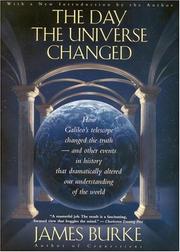 The Day the Universe ChangedBurke, JamesA dizzying, exhilarating ride through the hidden connections and paradigm shifts that built the modern mind.
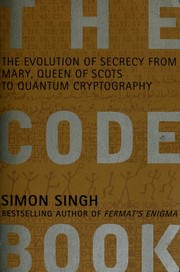 The Code BookSimon SinghA thrilling intellectual treasure hunt through history that reveals the invisible mathematical wars fought in the shadows.