Books › The Kreutzer sonata and other stories

The Kreutzer sonata and other stories
686 pages
A feverish, uncompromising plunge into the dark extremes of human passion, jealousy, and moral absolutism.
What it feels like
Reading this collection feels like being cornered by a brilliant, tormented stranger on a long train ride. The atmosphere is thick with brooding intensity and feverish philosophical debate, pulling you into the darkest corners of human jealousy, societal hypocrisy, and spiritual crisis. The prose is forceful and unadorned, stripping away polite conventions to expose the raw, often ugly truths of human desire and morality. It moves at a steady, deliberate pace, demanding your full intellectual and emotional engagement as it wrestles with the destructive nature of passion and the quest for a pure life. This is a perfect match for readers who crave psychologically penetrating, morally complex literature that leaves a lingering, unsettling chill long after the final page is turned.
- Mood
- oppressive
- brooding
- contemplative
- feverish
- Tone
- didactic
- intense
- moralistic
- cynical
- philosophical
- Pace
- steady
- Themes
- moral corruption · destructive jealousy · spiritual awakening · societal hypocrisy · asceticism and desire
- The writing
- Direct, forceful, and psychologically penetrating, marked by a relentless pursuit of moral truth.
- The arc
- Moves from simmering societal frustration and feverish obsession to a stark, uncompromising moral reckoning.
- Who it's for
- Readers who enjoy intense psychological character studies and philosophical fiction that wrestles with heavy moral questions.
Content notes
- domestic violence
- murder
- misogyny
- psychological abuse
About the book
"In "What For?" a Polish family suffers in the aftermath of the insurrection of 1830 to 1831, and in its suffering Tolstoy expresses his outrage at a Russian autocracy whose disastrous policies in the nineteenth century sowed the seeds of revolt in the twentieth. "Divine and Human" takes place around the time of the assassination of the emperor Alexander II in 1881.
A revolutionary terrorist, pondering the Gospels in his jail cell, is converted to a Tolstoyan understanding of true life, while an old schismatic's faith in himself is destroyed by an encounter in prison. In "Berries," Tolstoy condemns the frivolity of the 1905 revolution by contrasting the ridiculous conversations of liberals with the innocent labor of peasant children."--BOOK JACKET.
Description from Open Library.
Books like The Kreutzer sonata and other stories
See why they match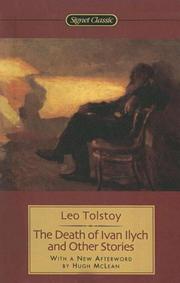 The Death of Ivan Ilych and other storiesgraf Leo TolstoyA piercing, unsparing confrontation with mortality that strips away the illusions of a comfortable life to reveal the raw necessity of spiritual truth.
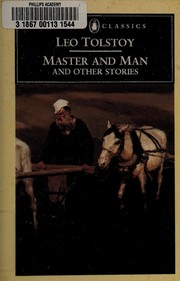 Khozi͡ain i rabotnikЛев ТолстойA claustrophobic, snow-blind journey that strips away worldly illusions to reveal the raw, beating heart of human connection.
 VoskresenīeTolstoy, LeoA sweeping, morally urgent epic that wrestles with the crushing weight of systemic injustice and the arduous path to personal redemption.
![Cover of Stories [30 stories]](https://covers.openlibrary.org/b/id/6808410-M.jpg) Stories [30 stories]Anton ChekhovA collection of spare, impressionistic glimpses into the quiet depths of the human condition.
Stories [30 stories]Anton ChekhovA collection of spare, impressionistic glimpses into the quiet depths of the human condition.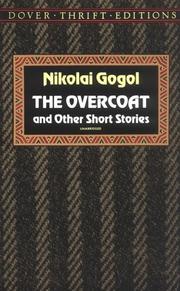 The overcoat and other short storiesUnknown authorA tragicomic descent into the absurdities of society, where a lost nose or a ruined coat can entirely unravel a life.
 Chto takoe iskusstvo? / What is art?Tolstoy, LeoA fierce, uncompromising dismantling of aesthetic elitism that demands art serve the highest moral purpose of human unity.