Books › The Mismeasure of Man
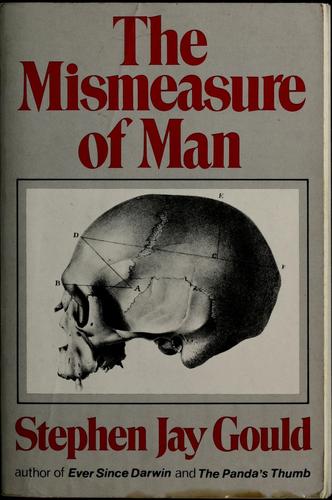
The Mismeasure of Man
588 pages
A fierce, erudite dismantling of the pseudoscientific theories used to justify human inequality.
What it feels like
Reading this book feels like sitting in the lecture hall of a brilliant, deeply moral professor who is systematically dismantling a centuries-old lie. The pace is steady and deliberate, requiring your full intellectual engagement as it wades through historical data, craniometry, and statistical fallacies. Yet, it is never dry; a simmering, righteous indignation fuels the narrative, creating a mood that is both intellectually rigorous and profoundly humanist. The prose is elegant and sharp, wielding logic and historical context as weapons against biological determinism. It will deeply satisfy readers who crave meticulous, science-based takedowns of systemic prejudice, offering an empowering, clarifying journey that leaves you with a sharper eye for the hidden biases in objective data.
- Mood
- intellectually rigorous
- indignant
- illuminating
- Tone
- authoritative
- polemical
- erudite
- passionate
- critical
- Pace
- steady
- Themes
- the misuse of science · biological determinism · systemic bias · the illusion of objectivity · human equality
- The writing
- Eloquent, meticulously argued, and rich with historical detail, blending scientific rigor with a humanist moral clarity.
- The arc
- Moves from a sense of historical outrage at the injustices of pseudoscientific ranking to a resolute, empowering defense of human potential.
- Who it's for
- Readers who love deep dives into the history of science, critical theory, and passionate debunkings of systemic prejudice.
Content notes
- scientific racism
- eugenics
- historical prejudice
- ableism
About the book
When published in 1981, The Mismeasure of Man was immediately hailed as a masterwork, the ringing answer to those who would classify people, rank them according to their supposed genetic gifts and limits.
And yet the idea of innate limits - of biology as destiny - dies hard, as witness the attention devoted to The Bell Curve, whose arguments are here so effectively anticipated and thoroughly undermined by Stephen Jay Gould. In this edition Dr.
Gould has written a substantial new introduction telling how and why he wrote the book and tracing the subsequent history of the controversy on innateness right through The Bell Curve, Further, he has added five essays, in a separate section at the end, on questions of The Bell Curve in particular and on race, racism, and biological determinism in general. These additions strengthen the claim of this book to be, as Leo J.
Kamin of Princeton University has said, "a major contribution toward deflating pseudobiological 'explanations' of our present social woes."
Includes bibliographical references (p. [425]-432) and index.
Description from Open Library.
Books like The Mismeasure of Man
See why they match The bell curveRichard J. HerrnsteinA dense, highly controversial academic treatise that attempts to map the societal implications of cognitive stratification.
 The Emperor's New ClothesJoseph L. GravesA methodical, scientifically rigorous dismantling of the biological concept of race that arms the reader with empirical truth.
 The Panda's ThumbStephen Jay GouldA guided tour through the dusty, fascinating archives of natural history, revealing the grand tapestry of life through its strangest imperfections.
 The prehistory of the mindSteven J. MithenAn intellectual expedition into the deep past to uncover how early humans learned to think, speak, and create.
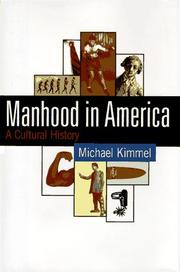 Manhood in AmericaMichael S. KimmelA fascinating, historically grounded exploration of how American masculinity has been constructed, contested, and constantly redefined.
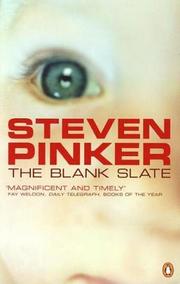 The Blank SlateSteven PinkerA provocative, deeply analytical dive into the hardwired realities of human nature that challenges comfortable modern dogmas.