Books › The Origins of Totalitarianism
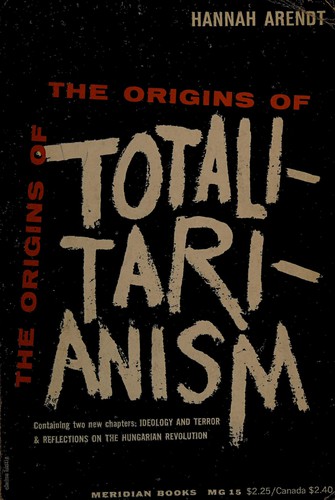
The Origins of Totalitarianism
First published 2003 · 1014 pages
A chilling, intellectually monumental dissection of how societies surrender to absolute darkness.
What it feels like
Reading this monumental work feels like stepping into a vast, dimly lit archive of human history, guided by a fiercely intelligent and unyielding voice. The pace is steady and demanding, requiring you to slow down and grapple with dense, philosophical prose that dissects the darkest chapters of the twentieth century. It is not a comforting read; the mood is somber, chilling, and steeped in a foreboding sense of how fragile democratic reality truly is. Yet, there is a profound intellectual thrill in watching a brilliant mind untangle the complex web of mass psychology and systemic terror. It will deeply satisfy readers who want to understand the structural mechanics of totalitarianism and the profound danger of political isolation, leaving them with a sobering, permanent vigilance.
- Mood
- somber
- chilling
- intellectually rigorous
- foreboding
- Tone
- analytical
- urgent
- authoritative
- unflinching
- philosophical
- Pace
- steady
- Themes
- the fragility of truth · psychology of the masses · mechanics of terror · political isolation · the collapse of morality
- The writing
- Dense, erudite, and relentlessly analytical, demanding deep concentration but rewarding it with piercing, unforgettable clarity.
- The arc
- Moves from a dense historical excavation to a chilling, sobering realization of how easily human morality can be systematically dismantled.
- Who it's for
- Readers who crave deep, philosophical dissections of history and want to understand the psychological and structural roots of political darkness.
Content notes
- antisemitism
- genocide
- state-sanctioned violence
- racism
- war
About the book
Hannah Arendt's definitive work on totalitarianism and an essential component of any study of twentieth-century political history
The Origins of Totalitarianism begins with the rise of anti-Semitism in central and western Europe in the 1800s and continues with an examination of European colonial imperialism from 1884 to the outbreak of World War I. Arendt explores the institutions and operations of totalitarian movements, focusing on the two genuine forms of totalitarian government in her time—Nazi Germany and Stalinist Russia—which she adroitly recognizes were two sides of the same coin, rather than opposing philosophies of Right and Left. From this vantage point, she discusses the evolution of classes into masses, the role of propaganda in dealing with the nontotalitarian world, the use of terror, and the nature of isolation and loneliness as preconditions for total domination.
Description from Open Library.
Books like The Origins of Totalitarianism
See why they match On revolutionHannah ArendtA masterclass in political philosophy that dissects the anatomy of human freedom and the historical tragedies that so often betray it.
 How Fascism WorksJason StanleyAn urgent, clarifying lens that snaps the chaotic rhetoric of modern politics into a chillingly recognizable historical pattern.
 Eichmann in JerusalemHannah ArendtA chilling, intellectually rigorous dissection of how ordinary bureaucracy facilitates unimaginable atrocities.
 The coming of the Third ReichRichard J. EvansA masterful, dread-inducing autopsy of a democracy dismantling itself.
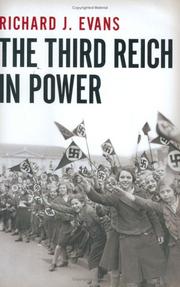 The Third Reich in power, 1933-1939Richard J EvansA monumental, dread-inducing masterclass in historical synthesis that meticulously charts a modern society's descent into totalitarian darkness.
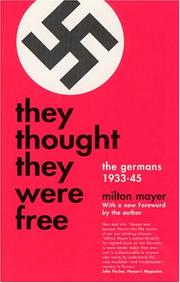 They Thought They Were FreeMilton MayerA chilling, penetrating look into the minds of ordinary people who became complicit in one of history's darkest regimes.