Books › The pig that wants to be eaten

The pig that wants to be eaten
399 pages
A brisk, brain-teasing journey through one hundred philosophical puzzles that challenge how you see the world.
What it feels like
Reading this book feels like stepping into a lively, intellectually stimulating seminar where the syllabus is entirely composed of fascinating mental puzzles. The pace is brisk, moving swiftly through one hundred distinct thought experiments that range from ethics and identity to art and religion. Rather than handing down definitive answers, the text cultivates a mood of deep, contemplative curiosity, inviting you to wrestle with vivid, concrete scenarios. The prose is clear and accessible, stripping away academic jargon to focus on the pure joy of philosophical exploration. It is a highly engaging experience designed for curious minds who delight in moral ambiguity, mental gymnastics, and the thrilling realization that few questions have simple right or wrong answers.
- Mood
- curious
- contemplative
- stimulating
- Tone
- intellectual
- inquisitive
- accessible
- provocative
- open-minded
- Pace
- brisk
- Themes
- philosophical inquiry · ethical dilemmas · the nature of identity · epistemology and knowledge · moral ambiguity
- The writing
- Clear, vivid, and concrete, designed to distill complex philosophical concepts into accessible, bite-sized scenarios.
- The arc
- Moves from initial certainty to a state of productive, curious uncertainty as complex questions are explored.
- Who it's for
- Curious thinkers who enjoy mental gymnastics, ethical puzzles, and questioning their own deeply held assumptions.
Content notes
- moral dilemmas
- existential questioning
About the book
Julian Baggini presents 100 of the most interesting thought experiments: short scenarios which pose a problem in a vivid and concrete way, and invites the reader to think about possible answers for him/herself. Experiments cover identity, religion, art, ethics, language, knowledge and many more. In every case, Baggini sets the problem up for the reader, and then offers some ways of approaching it. There are rarely 'right' or 'wrong' answers (though some answers are better than others), but the real point is in the exploration of the question.
Description from Open Library.
Books like The pig that wants to be eaten
See why they match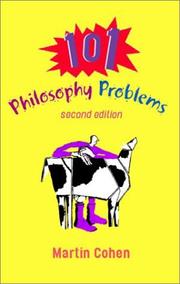 101 philosophy problemsCohen, MartinA playful, bite-sized journey through the history of ideas that turns complex ethical dilemmas into engaging thought experiments.
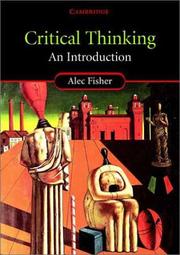 Critical thinkingAlec FisherA clear, structured guide to sharpening the mind and mastering the art of argumentation.
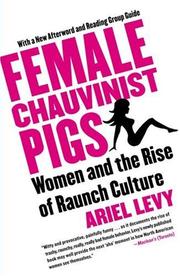 Female Chauvinist PigsAriel LevyA sharp, journalistic dissection of pop culture that asks whether performing objectification is actually a trap disguised as empowerment.
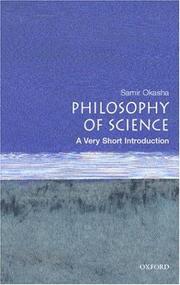 Philosophy of ScienceSamir OkashaA crisp, illuminating mental workout that strips away assumptions about how we know what we know.
 ThinkSimon BlackburnA clarifying plunge into the deep end of human thought that leaves you looking at the everyday world with fresh, questioning eyes.
 The life you can savePeter SingerA rigorously logical yet deeply humane challenge to rethink what it means to live an ethical life.