Books › The power paradox

The power paradox
208 pages
A paradigm-shifting exploration of influence that proves empathy, not ruthlessness, is the true source of enduring power.
What it feels like
Reading this book feels like sitting in on a masterclass that completely upends your cynical assumptions about human nature. It moves at a steady, deliberate pace, systematically dismantling the Machiavellian myth that ruthlessness is required for success. Instead, the atmosphere is intellectually stimulating and surprisingly hopeful, grounded in the reassuring premise that empathy and generosity are our greatest social assets. The prose is clear and instructive, organizing complex psychological concepts into digestible principles. It is a deeply reflective experience that challenges how we view our own relationships and social standing. This is the perfect read for anyone fascinated by social dynamics, leadership, and the hidden psychological currents that dictate how we gain, and lose, influence in our daily lives.
- Mood
- intellectually stimulating
- hopeful
- reflective
- Tone
- authoritative
- insightful
- optimistic
- instructive
- Pace
- steady
- Themes
- the nature of influence · empathy and leadership · the corrupting nature of power · social dynamics · psychology of control
- The writing
- Clear, structured, and principle-driven, translating complex social psychology into accessible, actionable insights.
- The arc
- Moves from challenging cynical assumptions about dominance to an empowering realization of empathy's true strength.
- Who it's for
- Readers fascinated by social psychology, leadership, and human behavior who want a more hopeful, empathy-driven approach to influence.
Content notes
- discussions of abuse of power
- powerlessness
About the book
It is taken for granted that power corrupts. This is reinforced culturally by everything from Machiavelli to contemporary politics. But how do we get power? And how does it change our behavior? So often, in spite of our best intentions, we lose our hard-won power. Enduring power comes from empathy and giving. Above all, power is given to us by other people. This is what all-too-often we forget, and what Dr. Keltner sets straight. This is the crux of the power paradox: by fundamentally misunderstanding the behaviors that helped us to gain power in the first place we set ourselves up to fall from power. We can't retain power because we've never understood it correctly, until now. Power isn't the capacity to act in cruel and uncaring ways; it is the ability to do good for others, expressed in daily life, and itself a good a thing. Dr. Keltner lays out exactly--in twenty original "Power Principles"-- how to retain power, why power can be a demonstrably good thing, and the terrible consequences of letting those around us languish in powerlessness.
Description from Open Library.
Books like The power paradox
See why they match PowerJeffrey PfefferAn unapologetic, unsentimental masterclass in navigating the brutal realities of workplace politics and human ambition.
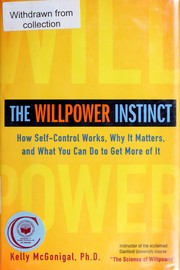 The willpower instinctKelly McGonigalA compassionate, science-backed roadmap to understanding your own mind and gently steering it toward your goals without the guilt trip.
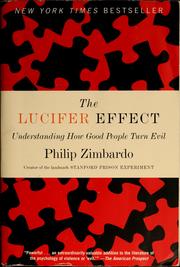 The Lucifer effectZimbardo, PhilipA chilling, meticulously researched descent into the dark side of human nature that will make you question what you are truly capable of.
 The end of powerMoisés NaímA sweeping, provocative look at how traditional authority is fracturing across every facet of modern life.
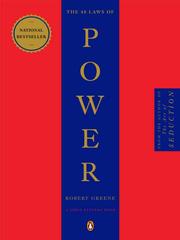 The 48 Laws of PowerRobert GreeneA ruthless, historically rich masterclass in the dark arts of human psychology and social dominance.
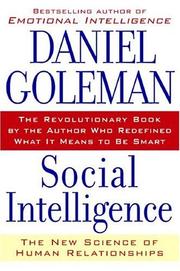 Social IntelligenceDaniel GolemanAn illuminating journey into the hidden neural pathways that make us fundamentally wired for human connection.