Books › The Principles of Scientific Management

The Principles of Scientific Management
First published 1911 · 1480 pages
A clinical, foundational blueprint for the modern industrialized workplace that treats human labor as a solvable equation.
What it feels like
Reading this foundational text feels like stepping onto the floor of an early twentieth-century factory with a stopwatch in hand. The atmosphere is distinctly clinical and utilitarian, stripped of sentimentality in favor of cold, hard efficiency. The prose is brisk and didactic, moving with the relentless, rhythmic precision of the very machines it seeks to emulate. It is a fascinating, sometimes chilling glimpse into the birth of modern management, where human effort is broken down into measurable, optimizable data points. The emotional texture is one of earnest, almost utopian problem-solving, driven by a profound belief in the power of objective observation. It will deeply engage students of business history, industrial engineers, and anyone curious about the philosophical roots of today's productivity-obsessed workplace culture.
- Mood
- clinical
- structured
- utilitarian
- industrious
- Tone
- authoritative
- didactic
- pragmatic
- analytical
- earnest
- Pace
- brisk
- Themes
- the pursuit of efficiency · systemic optimization · the mechanization of labor · standardization of human effort · the friction of industrialization
- The writing
- Utilitarian and straightforward, relying on clear, real-world examples and a rigid logical progression to make its case.
- The arc
- Moves from a frustrated diagnosis of widespread inefficiency to a confident, almost utopian vision of optimized productivity.
- Who it's for
- Readers fascinated by business history, management theory, and the philosophical origins of modern workplace productivity.
Content notes
- dehumanization of labor
- historical classism
About the book
This is a management classic that is actually a short booklet. It is Taylor's key statement of his approach to developing standards for work performance on the basis of study and observation as opposed to a reliance on standard "rules of thumb."
Description from Open Library.
Books like The Principles of Scientific Management
See why they match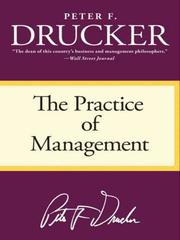 The Practice of ManagementPeter F. DruckerA masterclass in organizational physics that transforms chaotic business challenges into structured, solvable problems.
 Out of the crisisW. Edwards DemingA rigorous, uncompromising blueprint for dismantling corporate dysfunction and building systems rooted in quality and human dignity.
 Essentials of managementHeinz WeihrichA structured, authoritative deep dive that transforms complex organizational theories into actionable leadership principles.
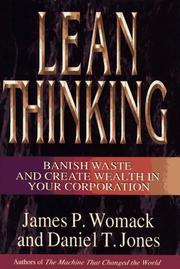 Lean thinkingJames P. WomackA pragmatic, clarifying blueprint for stripping away the unnecessary and building systems that actually work.
 The 80/20 principleKoch, RichardA clarifying lens that cuts through the noise of daily overwhelm to reveal the hidden levers of true effectiveness.
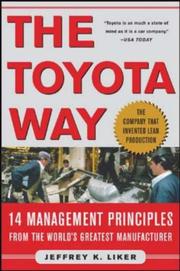 The Toyota WayJeffrey K. LikerA masterclass in stripping away the unnecessary to reveal the quiet power of continuous, purposeful improvement.