Books › The Road to Serfdom

The Road to Serfdom
316 pages
An urgent, intellectually rigorous warning about the fragility of individual liberty in the face of creeping state control.
What it feels like
Reading this book feels like sitting in a mid-century lecture hall, listening to a brilliant, deeply concerned professor map out the hidden traps of political utopianism. The pace is steady and deliberate, demanding your full intellectual engagement as it builds a meticulous, step-by-step argument. There is a palpable mood of foreboding that runs beneath the formal, lucid prose—a sense that society is sleepwalking toward a cliff. Yet, it is not a despairing read; rather, it is fiercely principled and earnest, animated by a profound respect for human freedom. It will delight readers who crave rigorous political philosophy and those who want to understand the foundational arguments of classical liberalism, offering a sobering but clarifying lens on the relationship between state power and individual agency.
- Mood
- foreboding
- intellectually rigorous
- serious
- Tone
- urgent
- analytical
- cautionary
- earnest
- principled
- Pace
- steady
- Themes
- fragility of freedom · dangers of centralized power · individual liberty · unintended consequences
- The writing
- Formal, lucid, and meticulously structured, the writing carries the weight of mid-century academic debate while remaining accessible to the engaged citizen.
- The arc
- The reader is guided from a calm historical analysis into a mounting sense of alarm regarding creeping authoritarianism, culminating in a resolute defense of individual liberty.
- Who it's for
- Political philosophy enthusiasts and classical liberals who enjoy tracing the historical and intellectual roots of modern economic debates.
Content notes
- discussions of totalitarianism
- historical fascism and nazism
About the book
A classic work in political philosophy, intellectual and cultural history, and economics, The Road to Serfdom has inspired and infuriated politicians, scholars, and general readers for half a century. Originally published in England in the spring of 1944 - when the Labour party ruled in Britain, Eleanor Roosevelt supported the efforts of Stalin, and Albert Einstein subscribed to the socialist program - The Road to Serfdom was seen as heretical for its passionate warning against the dangers of state control over the means of production. For F.A. Hayek, the collectivist idea of empowering government with increasing economic control would inevitably lead not to a utopia but to the horrors of Nazi Germany and Fascist Italy.
After thirty-two printings in the United States, The Road to Serfdom has established itself alongside the works of de Tocqueville, Mill, and Orwell for its timeless meditation on the relation between individual liberty and government authority. This fiftieth anniversary edition, with a new introduction by Milton Friedman, commemorates the enduring influence of The Road to Serfdom on the ever-changing political and social climates of the twentieth century - from the rise of socialism after World War II to the Reagan and Thatcher "revolutions" in the 1980s and the transitions in Eastern Europe from communism to capitalism in the 1990s.
Description from Open Library.
Books like The Road to Serfdom
See why they match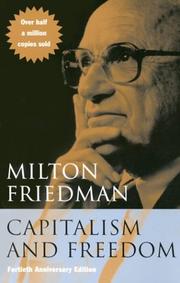 Capitalism and freedomMilton FriedmanA rigorous, uncompromising intellectual exercise that challenges the reader to rethink the relationship between the state and the individual.
 Free to chooseMilton FriedmanA passionate, accessible defense of free markets that feels like a fireside chat with a very persuasive economics professor.
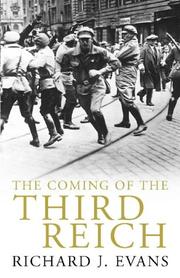 The coming of the Third ReichRichard J. EvansA masterful, dread-inducing autopsy of a democracy dismantling itself.
 Basic economicsThomas SowellA masterclass in stripping away political rhetoric to reveal the hidden, often counterintuitive gears that drive human societies.
 The Origins of TotalitarianismHannah ArendtA chilling, intellectually monumental dissection of how societies surrender to absolute darkness.
 Economics in One LessonHenry HazlittA brisk, no-nonsense intellectual clearing of the brush that makes the complex machinery of society suddenly look simple.