Books › The Song of the Dodo

The Song of the Dodo
Island Biogeography in an Age of Extinction
First published 1998 · 973 pages
A globe-trotting, intellectually thrilling journey through the fragile, isolated ecosystems where evolution and extinction collide.
What it feels like
Reading this book feels like embarking on a grand, globe-trotting expedition alongside a brilliantly conversational and endlessly curious guide. It blends the dusty archives of Victorian naturalists with the muddy boots of modern field biologists, taking you from remote jungles to isolated archipelagos. The pace is steady and immersive, allowing complex ecological theories to unfold naturally through vivid storytelling and travelogue. There is a profound sense of awe at the sheer diversity of life, which is continually tempered by an elegiac awareness of its fragility. It is a deeply sobering yet exhilarating experience, perfect for readers who want to understand the intricate mechanics of the natural world and feel the urgent, beating heart of modern conservation.
- Mood
- adventurous
- contemplative
- elegiac
- awe-inspiring
- Tone
- inquisitive
- conversational
- urgent
- reverent
- wry
- Pace
- steady
- Themes
- fragility of ecosystems · thrill of scientific discovery · shadow of extinction · humanity's ecological footprint · interconnectedness of life
- The writing
- Lucid, conversational, and richly descriptive, seamlessly weaving complex scientific concepts with vivid travelogue and historical narrative.
- The arc
- Begins with the exhilarating wonder of evolutionary discovery and transitions into a sobering, urgent contemplation of ecological loss, before settling into a cautious, rallying hope.
- Who it's for
- Curious armchair explorers and science enthusiasts who love deep, narrative-driven dives into the natural world and the history of scientific thought.
Content notes
- animal death
- ecological destruction
- extinction
About the book
David Quammen's book, The Song of the Dodo, is a brilliant, stirring work, breathtaking in its scope, far-reaching in its message -- a crucial book in precarious times, which radically alters the way in which we understand the natural world and our place in that world. It's also a book full of entertainment and wonders.
In The Song of the Dodo, we follow Quammen's keen intellect through the ideas, theories, and experiments of prominent naturalists of the last two centuries. We trail after him as he travels the world, tracking the subject of island biogeography, which encompasses nothing less than the study of the origin and extinction of all species. Why is this island idea so important? Because islands are where species most commonly go extinct -- and because, as Quammen points out, we live in an age when all of Earth's landscapes are being chopped into island-like fragments by human activity.
Through his eyes, we glimpse the nature of evolution and extinction, and in so doing come to understand the monumental diversity of our planet, and the importance of preserving its wild landscapes, animals, and plants. We also meet some fascinating human characters. By the book's end we are wiser, and more deeply concerned, but Quammen leaves us with a message of excitement and hope.
Description from Open Library.
Books like The Song of the Dodo
See why they match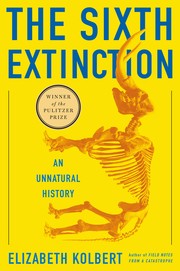 The Sixth ExtinctionElizabeth KolbertA sobering, globe-trotting journey through deep time and fragile ecosystems that fundamentally alters how you view humanity's footprint.
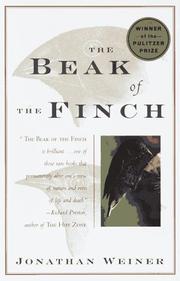 The beak of the finchJonathan WeinerA sun-baked, meticulously observed journey to a remote island that transforms the abstract concept of evolution into a thrilling, visible reality.
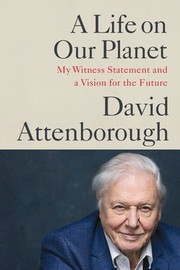 A Life on Our PlanetDavid Attenborough and Jonnie HughesA sobering but ultimately hopeful fireside chat with a beloved naturalist about the fate of our shared home.
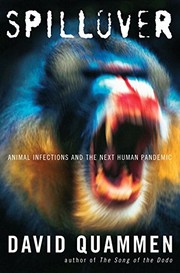 SpilloverDavid QuammenA globe-trotting scientific thriller that reveals the terrifying, invisible threads connecting human civilization to the deepest, darkest corners of the natural world.
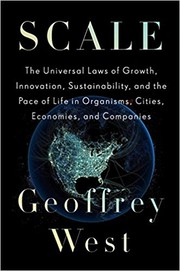 ScaleGeoffrey B. WestA mind-expanding journey that reveals the hidden mathematical scaffolding holding up the natural and human-made world.
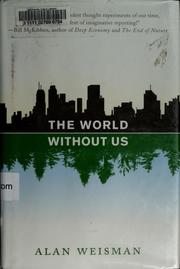 The World Without UsAlan WeismanA hauntingly beautiful thought experiment that finds strange serenity in imagining the Earth slowly erasing the human footprint.