Books › The Technology Trap

The Technology Trap
480 pages
A sweeping, sobering historical lens on the human cost of technological progress and the fragile balance of societal power.
What it feels like
Reading this book feels like standing on a high vantage point, watching centuries of human innovation unfold alongside the quiet, devastating ripples of economic displacement. The pace is steady and deliberate, guiding the reader through a sweeping historical landscape from the soot-choked Industrial Revolution to the sleek, uncertain dawn of artificial intelligence. Its tone is deeply analytical yet laced with a cautionary urgency, creating a mood that is both intellectually stimulating and undeniably sobering. The prose is authoritative and clear, carefully weaving together threads of technological advancement, wage stagnation, and societal fragmentation without losing sight of the human element. It is a deeply contemplative experience, perfect for readers who seek to understand the historical echoes beneath today's rising populism and economic anxieties, offering a profound reflection on the true cost of progress.
- Mood
- serious
- contemplative
- foreboding
- Tone
- analytical
- cautionary
- authoritative
- sweeping
- Pace
- steady
- Themes
- technological disruption · economic inequality · historical parallels · societal fragmentation · the human cost of progress
- The writing
- Clear, authoritative, and historically grounded, weaving economic trends with broad societal narratives.
- The arc
- Moves from a sweeping curiosity about the past to a sobering, urgent contemplation of our automated future.
- Who it's for
- Readers fascinated by the intersection of history, economics, and technology who want to understand the roots of modern societal anxieties.
Content notes
- economic anxiety
- societal unrest
- historical violence
About the book
From the Industrial Revolution to the age of artificial intelligence, The Technology Trap takes a sweeping look at the history of technological progress and how it has radically shifted the distribution of economic and political power among society’s members. As Carl Benedikt Frey shows, the Industrial Revolution created unprecedented wealth and prosperity over the long run, but the immediate consequences of mechanization were devastating for large swaths of the population. Middle-income jobs withered, wages stagnated, the labor share of income fell, profits surged, and economic inequality skyrocketed. These trends, Frey documents, broadly mirror those in our current age of automation, which began with the Computer Revolution.
Just as the Industrial Revolution eventually brought about extraordinary benefits for society, artificial intelligence systems have the potential to do the same. But Frey argues that this depends on how the short term is managed. In the nineteenth century, workers violently expressed their concerns over machines taking their jobs. The Luddite uprisings joined a long wave of machinery riots that swept across Europe and China. Today’s despairing middle class has not resorted to physical force, but their frustration has led to rising populism and the increasing fragmentation of society. As middle-class jobs continue to come under pressure, there’s no assurance that positive attitudes to technology will persist.
The Industrial Revolution was a defining moment in history, but few grasped its enormous consequences at the time. The Technology Trap demonstrates that in the midst of another technological revolution, the lessons of the past can help us to more effectively face the present.
Description from Open Library.
Books like The Technology Trap
See why they match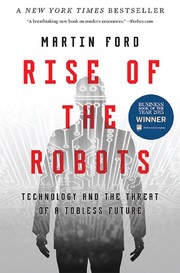 Rise of the RobotsMartin FordA sobering, data-driven look into the encroaching obsolescence of human labor and the urgent need to rethink our economic future.
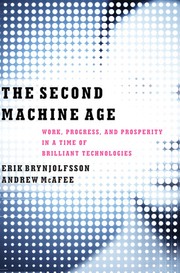 The Second Machine AgeErik Brynjolfsson and Andrew McAfeeA sweeping, data-driven glimpse into a rapidly approaching future where human ingenuity and artificial intelligence collide.
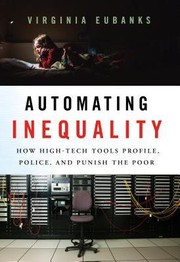 Automating InequalityVirginia EubanksA sobering, urgent investigation into how modern algorithms encode and amplify bureaucratic cruelty against the most vulnerable.
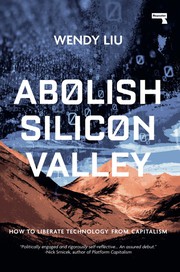 Abolish Silicon ValleyWendy LiuA heartfelt memoir meets a radical manifesto that dismantles the myth of the tech industry's growth-at-all-costs ethos.
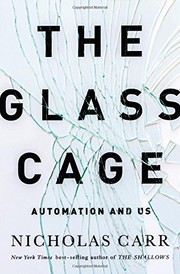 The Glass CageNicholas CarrA thoughtful, cautionary exploration of how our increasing reliance on automation and screens is quietly reshaping the human experience.
 Machines of loving graceJohn MarkoffA sweeping, journalistic exploration of the ethical tightrope between human agency and artificial intelligence.