Books › The Winter of Our Discontent

The Winter of Our Discontent
First published 1961 · 483 pages
A slow-burn psychological portrait of a good man rationalizing his way into moral bankruptcy.
What it feels like
Reading this novel feels like watching a slow-motion train wreck of the human soul. It is a steady, claustrophobic character study steeped in the autumnal chill of a quaint New England town, where the cozy facade hides a ruthless underbelly of ambition and greed. The narrative voice is wry, deeply introspective, and laced with a cynical humor that makes the protagonist's descent into moral compromise all the more unsettling. You are trapped inside his head as he brilliantly, tragically rationalizes his own corruption. The prose is sharp and philosophical, demanding that you question your own ethical boundaries. It is a perfect, haunting read for those who love mid-century critiques of the American Dream and stories about the quiet, devastating erosion of personal integrity.
- Mood
- disillusioned
- claustrophobic
- autumnal
- morally murky
- Tone
- cynical
- introspective
- wry
- melancholic
- satirical
- Pace
- steady
- Themes
- moral compromise · the American Dream · weight of legacy · rationalization of greed · societal decay
- The writing
- Sharp and conversational, yet deeply philosophical, laced with dark humor, internal monologues, and rich historical allusions.
- The arc
- Begins with wry, detached dissatisfaction and slowly descends into a tense, desperate moral freefall that culminates in a chilling self-reckoning.
- Who it's for
- Readers who appreciate mid-century critiques of capitalism and slow-burn psychological character studies about the erosion of personal integrity.
Content notes
- suicidal ideation
- alcoholism
- betrayal
- moral corruption
About the book
Steinbeck's last great novel focuses on the theme of success and what motivates men towards it. Reflecting back on his New England family's past fortune, and his father's loss of the family wealth, the hero, Ethan Allen Hawley, characterises successin every era and in all its forms as robbery, murder, even a kind of combat, operating under 'the laws of controlled savagery.'
Description from Open Library.
Books like The Winter of Our Discontent
See why they match Of Mice and Men & Cannery RowJohn StienbeckA deeply human exploration of friendship, poverty, and the fragile dreams that sustain us in a harsh world.
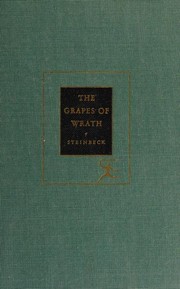 The Grapes of WrathBoyd CableA sweeping, dust-choked epic of survival that burns with righteous indignation and radical empathy.
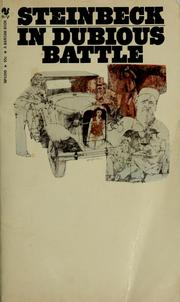 In Dubious BattleJohn SteinbeckA gritty, tension-fueled descent into the moral compromises and brutal realities of a labor strike.
 East of EdenJohn SteinbeckA sweeping, sun-baked family epic that wrestles with the darkest corners of human nature and the agonizing beauty of free will.
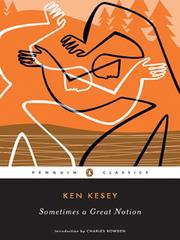 Sometimes a Great NotionKen KeseyA sprawling, rain-drenched epic of stubborn pride and bitter family rivalries set against the unforgiving Oregon wilderness.
 Tess of the d'UrbervillesThomas HardyA lush, devastating portrait of a woman crushed by the relentless machinery of fate and social hypocrisy.