Books › Traffic

Traffic
why we drive the way we do (and what it says about us)
416 pages
An eye-opening joyride through the hidden psychology of our daily commutes that reveals just how irrational we truly are.
What it feels like
Reading this book feels like putting on a pair of X-ray glasses during your morning commute. It transforms the mundane, often infuriating experience of sitting in gridlock into a fascinating laboratory of human behavior. The pacing is brisk and engaging, propelled by a wry, inquisitive tone that effortlessly translates dense cognitive science and traffic engineering into relatable revelations. The mood is deeply curious and illuminating, tinged with a mild, shared exasperation at our collective irrationality. You will find yourself nodding along as the prose dissects the illusion of control and the hidden systems governing our roads. It is an absolute delight for fans of behavioral economics and pop-sociology who crave a deeper understanding of the invisible forces shaping our everyday lives.
- Mood
- curious
- illuminating
- intellectual
- mildly exasperated
- Tone
- inquisitive
- wry
- analytical
- accessible
- observant
- Pace
- brisk
- Themes
- human irrationality · the illusion of control · hidden systems of everyday life · social psychology in action · the friction of modern existence
- The writing
- Clear, journalistic, and conversational, effortlessly translating complex behavioral science into relatable everyday scenarios.
- The arc
- Moves from everyday frustration with commuting to a fascinated, humbled understanding of human cognitive limits.
- Who it's for
- Fans of pop-sociology and behavioral economics who love uncovering the hidden mechanics behind mundane daily frustrations.
Content notes
- discussions of car accidents
- vehicular fatalities
About the book
A New York Times Notable BookOne of the Best Books of the YearThe Washington Post - The Cleveland Plain-Dealer - Rocky Mountain NewsIn this brilliant, lively, and eye-opening investigation, Tom Vanderbilt examines the perceptual limits and cognitive underpinnings that make us worse drivers than we think we are. He demonstrates why plans to protect pedestrians from cars often lead to more accidents. He uncovers who is more likely to honk at whom, and why. He explains why traffic jams form, outlines the unintended consequences of our quest for safety, and even identifies the most common mistake drivers make in parking lots. Traffic is about more than driving: it's about human nature. It will change the way we see ourselves and the world around us, and it may even make us better drivers.From the Trade Paperback edition.
Description from Open Library.
Books like Traffic
See why they match Human transitJarrett WalkerA clarifying, pragmatic lens that transforms the chaotic noise of city planning into elegant, understandable geometry.
 The World Beyond Your HeadMatthew B. CrawfordA philosophically rigorous and deeply tactile defense of paying attention to the physical world in an era of digital fragmentation.
 You are Not So SmartDavid McraneyA playful, humbling tour through the many ways your brain tricks you into thinking you're a rational human being.
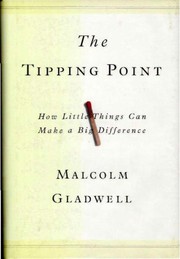 The Tipping PointMalcolm GladwellAn engaging, anecdote-fueled exploration of the hidden forces that cause ideas and behaviors to catch fire.
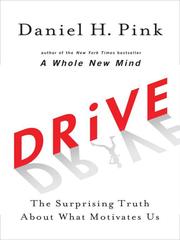 DriveDaniel H. PinkA paradigm-shifting exploration of human behavior that leaves you feeling energized to redesign how you work and live.
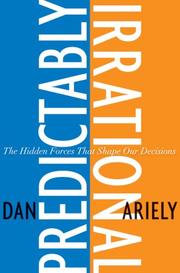 Predictably IrrationalDan ArielyA playful, eye-opening tour through the hidden forces that secretly pull the strings of our daily decisions.