Books › We wish to inform you that tomorrow we will be killed with our families

We wish to inform you that tomorrow we will be killed with our families
First published 2000 · 489 pages
A devastating, essential work of narrative journalism that forces the reader to confront the darkest depths of human cruelty and the agonizing complexities of survival.
What it feels like
Reading this book is a profoundly heavy, haunting experience that demands your full emotional endurance. The pace is steady and deliberate, driven by an urgent journalistic clarity that refuses to look away from the abyss. The prose is devastatingly understated; the author doesn't need to embellish the horror, allowing the raw, intimate testimonies of survivors to carry the immense weight of the narrative. The mood is steeped in dread and sorrow, yet illuminated by flashes of astonishing human resilience. It is a book that sits like a stone in your stomach, challenging your understanding of morality, complicity, and justice. This is essential reading for those who value unflinching, deeply empathetic historical reportage that leaves a permanent mark on the soul.
- Mood
- harrowing
- devastating
- haunting
- heavy
- Tone
- unflinching
- somber
- urgent
- empathetic
- reflective
- Pace
- steady
- Themes
- the banality of evil · the burden of survival · international complicity · the limits of justice · human resilience
- The writing
- Clear, precise, and devastatingly understated, allowing the horrific facts and intimate testimonies to speak for themselves.
- The arc
- Moves from sheer disbelief and horror at the atrocities to a complex, lingering contemplation of survival and the difficult path to justice.
- Who it's for
- Readers who seek profound, challenging narrative nonfiction that grapples with the darkest corners of human history and the complexities of human rights.
Content notes
- genocide
- graphic violence
- mass murder
- trauma
- grief
- sexual violence
About the book
An unforgettable firsthand account of a people's response to genocide and what it tells us about humanity.
This remarkable debut book chronicles what has happened in Rwanda and neighboring states since 1994, when the Rwandan government called on everyone in the Hutu majority to murder everyone in the Tutsi minority. Though the killing was low-tech--largely by machete--it was carried out at shocking speed: some 800,000 people were exterminated in a hundred days. A Tutsi pastor, in a letter to his church president, a Hutu, used the chilling phrase that gives Philip Gourevitch his title.
With keen dramatic intensity, Gourevitch frames the genesis and horror of Rwanda's "genocidal logic" in the anguish of its aftermath: the mass displacements, the temptations of revenge and the quest for justice, the impossibly crowded prisons and refugee camps. Through intimate portraits of Rwandans in all walks of life, he focuses on the psychological and political challenges of survival and on how the new leaders of postcolonial Africa went to war in the Congo when resurgent genocidal forces threatened to overrun central Africa.
Can a country composed largely of perpetrators and victims create a cohesive national society? This moving contribution to the literature of witness tells us much about the struggle everywhere to forge sane, habitable political orders, and about the stubbornness of the human spirit in a world of extremity.
Description from Open Library.
Books like We wish to inform you that tomorrow we will be killed with our families
See why they match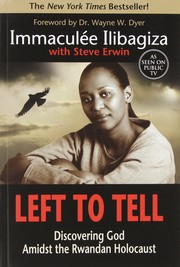 Left to TellImmaculée IlibagizaA harrowing but ultimately luminous testament to the power of faith and radical forgiveness in the face of unimaginable evil.
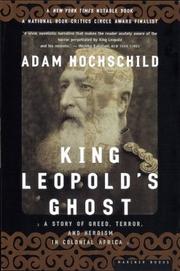 King Leopold's ghostAdam HochschildA harrowing, character-driven descent into one of history's most brutal colonial atrocities, illuminated by the fierce courage of early human rights crusaders.
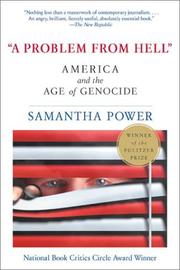 A Problem from HellSamantha PowerA searing, meticulously documented indictment of global inaction in the face of ultimate evil.
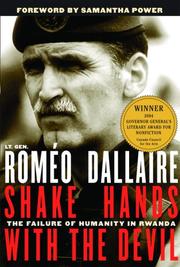 Shake hands with the devilDallaire, RomeoA devastating, unflinching descent into a preventable nightmare that forces the reader to bear witness to the catastrophic cost of global apathy.
 A Thousand HillsStephen KinzerA gripping, high-stakes portrait of exile, rebellion, and the fierce ambition required to rebuild a shattered nation.
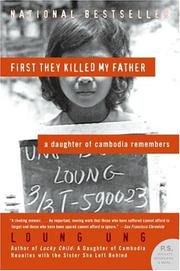 First They Killed My FatherLoung UngA devastating yet fiercely resilient child's-eye view of surviving unimaginable historical trauma.