Books › Whatever Happened to Penny Candy?

Whatever Happened to Penny Candy?
First published 1989 · 191 pages
A friendly uncle sits you down to explain how the world's money actually works, stripping away the jargon to reveal the simple truths underneath.
What it feels like
Reading this book feels like pulling up a chair next to a wise, patient relative who is determined to make you understand how the world works. The epistolary format creates an incredibly warm, conversational atmosphere that immediately disarms any anxiety about tackling a dry subject like economics. The pace is brisk and engaging, moving swiftly from ancient Roman history to modern inflation without ever getting bogged down in academic jargon. It is a clarifying, empowering experience, designed to replace confusion with a sudden, satisfying click of comprehension. Perfect for curious teens, homeschoolers, or adults who feel they missed out on basic financial literacy, this book offers a nostalgic, pragmatic journey into the mechanics of money.
- Mood
- curious
- clarifying
- nostalgic
- pragmatic
- Tone
- conversational
- instructive
- encouraging
- accessible
- opinionated
- Pace
- brisk
- Themes
- demystifying the complex · historical cycles · the value of money · empowerment through knowledge · generational wisdom
- The writing
- Direct, folksy, and highly readable, utilizing the epistolary format to break down complex theories into bite-sized, digestible letters.
- The arc
- Moves from a sense of confusion about the modern economy to a feeling of empowered clarity and historical perspective.
- Who it's for
- Curious beginners, homeschoolers, and anyone who has ever felt intimidated by economic jargon and wants a friendly, foundational explanation.
Content notes
- political and economic bias
About the book
This clearly written, award-winning book about economics is a remarkably easy and fun explanation of money (its origin and history), the dollar (its origin and history), investment cycles, velocity, business cycles, recessions, inflation, the demand for money, government (its economic behavior), and more. All explanations and interpretations are according to the Austrian and Monetarist schools of economic theory.
Using the epistolary style of writing (using letters to tell a story), author Richard J. Maybury plays the part of an economist (Uncle Eric) writing a series of letters to his niece or nephew (Chris). Using stories and examples (including historical events from Ancient Rome), Mr. Maybury explains economic principles, giving interesting and clear explanations of topics that are generally thought to be too difficult for anyone but experts. Mr. Maybury warns, "Beware of anyone who tells you a topic is above you or better left to experts. Many people are twice as smart as they think they are, but they've been intimidated into believing some topics are above them. You can understand almost anything if it is explained well."
Whatever Happened to Penny Candy? is essential for every student, businessperson and investor. It was recommended by the late William Simon, former U.S. Treasury Secretary and is also on many recommended reading lists.
Whatever Happened to Penny Candy?" can be used for courses in economics, business, finance, government and Ancient Rome.
To improve the student's learning experience, also purchase the student study guide for "Whatever Happened to Penny Candy?" titled "A Bluestocking Guide: Economics" also available through Amazon.
Description from Open Library.
Books like Whatever Happened to Penny Candy?
See why they match Basic economicsThomas SowellA masterclass in stripping away political rhetoric to reveal the hidden, often counterintuitive gears that drive human societies.
 How an economy grows and why it crashesPeter D. SchiffA witty, take-no-prisoners allegory that transforms dense macroeconomic theory into an accessible, eye-opening narrative.
 The Undercover EconomistTim HarfordA conversational, eye-opening tour through the hidden gears of daily life that makes you feel like the smartest person in the coffee shop.
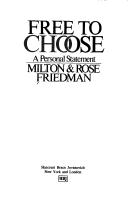 Free to chooseMilton FriedmanA passionate, accessible defense of free markets that feels like a fireside chat with a very persuasive economics professor.
 Why the Rich Are Getting RicherRobert T. KiyosakiA provocative, contrarian wake-up call that challenges everything you were taught about money, debt, and the traditional path to success.
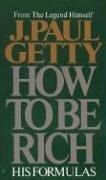 How to be richJ. Paul GettyA surprisingly philosophical masterclass on money, stripping away the flash of billionaire life to reveal the grounded principles of true wealth.