Books › Why Is Sex Fun?

Why Is Sex Fun?
First published 1998 · 272 pages
A witty, eye-opening biological safari into the weirdest mating habits in the animal kingdom: our own.
What it feels like
Reading this book feels like sitting next to a brilliant, slightly eccentric biology professor at a dinner party who has decided to explain exactly why human mating habits are completely absurd compared to the rest of the animal kingdom. The pace is brisk and engaging, driven by a series of fascinating questions that turn our most private, normalized behaviors into bizarre evolutionary puzzles. The prose is accessible and wry, stripping away cultural baggage to look at human intimacy through the cold, clear, yet highly entertaining lens of natural selection. It is an intellectually stimulating and lighthearted read that will delight fans of pop-science who love collecting cocktail-party facts about the biological quirks that make us uniquely human.
- Mood
- intellectually stimulating
- curious
- lighthearted
- Tone
- wry
- inquisitive
- accessible
- analytical
- humorous
- Pace
- brisk
- Themes
- evolutionary quirks · human uniqueness · biological imperatives · the science of intimacy
- The writing
- Clear, conversational, and peppered with dry wit, translating complex evolutionary biology into highly digestible anecdotes.
- The arc
- Begins with playful curiosity about our bizarre biological habits and builds to a profound appreciation for the evolutionary forces that shaped human connection.
- Who it's for
- Curious minds who enjoy pop-science that answers weird, everyday questions about human nature with biological rigor and a sense of humor.
Content notes
- frank discussions of sex and anatomy
- evolutionary psychology perspectives
About the book
To humans, the sex lives of many animals seem weird. In fact, by comparison with other animals, we are the ones with the weird sex lives. How did that come to be? We are the only social species to insist on carrying out sex privately. Stranger yet, we have sex at any time, even when the female can't be fertilized (for example, because she is already pregnant, post-menopausal, or between fertile cycles). A human female doesn't know her precise time of fertility and certainly doesn't advertise it to human males by the striking color changes, smells, and sounds used by other female mammals. Why do we differ so radically in these and other important aspects of our sexuality from our closest ancestor, the apes? Why does the human female, virtually alone among mammals, go through menopause? Why does the human male stand out as one of the few mammals to stay (often or usually) with the female he impregnates, to help raise the children that he sired? Why is the human penis so unnecessarily large? There is no one better qualified than Jared Diamond--renowned expert in the fields of physiology and evolutionary biology--to explain the evolutionary forces that operated on our ancestors to make us sexually different. With wit and a wealth of fascinating examples, he explains how our sexuality has been as crucial as our large brains and upright posture in our rise to human status.--From publisher description.
Description from Open Library.
Books like Why Is Sex Fun?
See why they match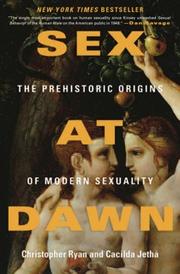 Sex at DawnChristopher RyanA witty, paradigm-shifting exploration of human evolution that gleefully dismantles the standard narrative of natural monogamy.
 The Red QueenMatt RidleyA provocative, paradigm-shifting dive into the biological imperatives that secretly pull the strings of human desire and behavior.
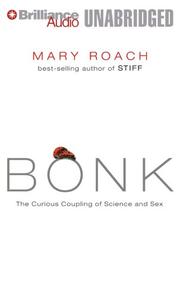 BonkMary RoachA hilarious, unapologetic romp through the awkward and fascinating science of human sexuality.
 The Evolution of DesireDavid M. BussA provocative, data-driven deep dive into the primal instincts that secretly govern our modern romantic choices.
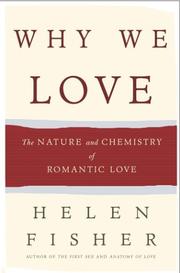 Why We LoveHelen FisherAn illuminating dive into the human brain that decodes the ancient, biological machinery behind our most romantic impulses.
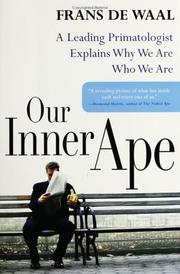 Our Inner ApeFrans de WaalA hopeful, scientifically grounded exploration of the primate heritage that shapes both our darkest impulses and our highest moral capacities.