Books › Gulag

Gulag
A History of the Soviet Camps
First published 2004 · 736 pages
A monumental, unflinching descent into the architecture of totalitarian terror and the staggering resilience of those trapped within its shadow.
What it feels like
Reading this book is a heavy, necessary undertaking, immersing you in a meticulously constructed landscape of systemic terror. The pace is steady and deliberate, carrying the immense weight of its subject matter with scholarly rigor and profound empathy. You are guided through an oppressive, bleak atmosphere, yet the narrative is constantly illuminated by flashes of staggering human endurance. The prose is lucid and unflinching, seamlessly weaving vast bureaucratic histories with the intimate, devastating testimonies of those who lived and died in the camps. It is a harrowing, sobering experience that leaves a lasting mark on the psyche. This is a book for readers who want to confront the darkest corners of modern history and understand the fragile, enduring nature of survival.
- Mood
- harrowing
- oppressive
- bleak
- sobering
- Tone
- authoritative
- unflinching
- somber
- scholarly
- empathetic
- Pace
- steady
- Themes
- systemic cruelty · human endurance · machinery of totalitarianism · historical amnesia · survival
- The writing
- Meticulously researched and lucidly written, balancing sweeping systemic analysis with devastating, intimate personal testimonies.
- The arc
- Begins with a chilling immersion into bureaucratic terror, deepens into profound sorrow for individual suffering, and concludes with a lingering, urgent demand for historical remembrance.
- Who it's for
- Devoted readers of 20th-century history who seek to understand the darkest capacities of the state and the enduring will of its victims.
Content notes
- starvation
- systemic violence
- forced labor
- torture
- death and execution
About the book
A fully documented history of the Soviet camp system, from its origins in the Russian Revolution to its collapse in the era of glasnost. Anne Applebaum first lays out the chronological history of the camps and the logic behind their creation, enlargement, and maintenance. Applebaum also examines how life was lived within this shadow country: how prisoners worked, how they ate, where they lived, how they died, how they survived. She examines their guards and their jailers, the horrors of transportation in empty cattle cars, the strange nature of Soviet arrests and trials, the impact of World War II, the relations between different national and religious groups, and the escapes, as well as the extraordinary rebellions that took place in the 1950s. She concludes by examining the disturbing question why the Gulag has remained relatively obscure, in the historical memory of both the former Soviet Union and the West.
Description from Open Library.
Books like Gulag
See why they match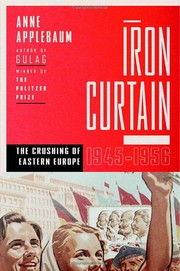 Iron CurtainAnne ApplebaumA chilling, meticulously detailed descent into the mechanics of totalitarianism and the suffocating reality of life under absolute state control.
 The great terrorRobert ConquestA scrupulous and deeply disturbing chronicle that blends poetic prose with rigorous research to capture the tragedy of state-sponsored terror.
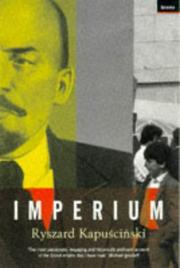 ImperiumRyszard KapuscinskiA haunting, lyrical journey through the ruins of a collapsing empire, guided by a deeply empathetic observer.
 StasilandAnna FunderA haunting, deeply human exploration of life under the ultimate surveillance state, told through the hushed voices of those who survived it.
 Red PlentyFrancis SpuffordA brilliant, tragicomic exploration of a doomed utopia, where the magic of mathematics collides with the messy reality of human nature.
 The First CircleSolzhenitsyn, AleksandrA tense, claustrophobic exploration of intellectual survival within the confines of a state-run prison laboratory.