Books › Red Plenty
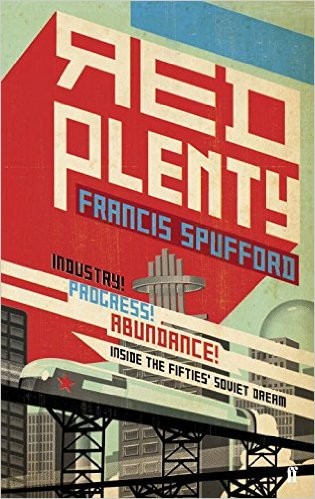
Red Plenty
456 pages
A brilliant, tragicomic exploration of a doomed utopia, where the magic of mathematics collides with the messy reality of human nature.
What it feels like
Reading this book feels like stepping into a brilliantly constructed, doomed machine. It is a steady, intellectually exhilarating journey that captures the intoxicating optimism of a society that genuinely believed it could engineer paradise through mathematics and sheer will. The narrative blends the rigorous detail of economic history with the rich, empathetic texture of a novel, creating a mood that is at once vibrant and deeply melancholic. As the utopian dream slowly unravels against the stubborn friction of human reality, the emotional weight shifts from hopeful ambition to a quiet, crushing disillusionment. It is a profoundly unique reading experience that will delight lovers of intellectual history, complex systems, and stories that explore the tragicomic gap between grand theories and the people forced to live inside them.
- Mood
- intellectually vibrant
- doomed
- bureaucratic
- wistful
- Tone
- wry
- analytical
- empathetic
- melancholic
- Pace
- steady
- Themes
- utopian hubris · clash of theory and reality · tragedy of good intentions · systemic failure · the human cost of ideology
- The writing
- Erudite and elegantly explanatory, seamlessly blending the rigorous clarity of a historian with the imaginative empathy of a novelist.
- The arc
- Moves from the intoxicating optimism of a utopian dream into the crushing reality of systemic stagnation and profound disillusionment.
- Who it's for
- Readers fascinated by economics, history, and the tragicomic gap between grand ideological designs and flawed human reality.
Content notes
- political oppression
- state violence
- historical trauma
About the book
The Soviet Union was built on 20th-century magic called 'the planned economy', which was going to gush forth an abundance of good things that capitalism could never match. And just for a little while, in the late 1950s, the magic seemed to be working. This book is about that moment in history, and how it came, and how it went away.
Description from Open Library.
Books like Red Plenty
See why they match Iron CurtainAnne ApplebaumA chilling, meticulously detailed descent into the mechanics of totalitarianism and the suffocating reality of life under absolute state control.
 Mao's great famineFrank DikötterA meticulously documented descent into one of history's darkest chapters, where bureaucratic hubris meets unimaginable human suffering.
 How not to network a nationBenjamin PetersA fascinating, ironic exploration of how bureaucratic infighting suffocated a technological utopia.
 GulagAnne ApplebaumA monumental, unflinching descent into the architecture of totalitarian terror and the staggering resilience of those trapped within its shadow.
 The secret speechTom Rob SmithA breathless, dread-soaked historical thriller where the ghosts of a brutal regime demand a devastating personal reckoning.
 OctoberChina MievilleA breathless, novelistic plunge into the chaotic, electric months of a world-altering revolution.