Books › Areopagitica

Areopagitica
First published 1819 · 463 pages
A fiery, erudite defense of the unchained mind that rings with the majestic thunder of 17th-century rhetoric.
What it feels like
Reading this foundational tract feels like sitting in a grand, dimly lit hall listening to a master orator build a thunderous case for the human mind. The pace is steady and deliberate, demanding your full attention as it winds through dense, majestic sentences laden with classical and biblical allusions. It is an intellectually charged experience, steeped in a mood of urgent defiance and solemn reverence for the written word. The prose is ornate and rolling, building to soaring rhetorical peaks that still crackle with passionate indignation centuries later. It will delight lovers of political philosophy, history buffs, and anyone who thrills at a fiercely articulate defense of intellectual liberty and the enduring power of free expression.
- Mood
- intellectually charged
- solemn
- urgent
- Tone
- passionate
- erudite
- defiant
- rhetorical
- earnest
- Pace
- steady
- Themes
- freedom of thought · power of the written word · intellectual liberty · resistance to authority · pursuit of truth
- The writing
- Dense, majestic, and heavily ornamented with classical allusions, featuring long, rolling periods that build to thunderous rhetorical peaks.
- The arc
- Moves from a respectful address to a fiery, soaring defense of intellectual liberty, culminating in a profound reverence for the unchained mind.
- Who it's for
- Readers who relish foundational political philosophy, soaring 17th-century rhetoric, and passionate defenses of free speech.
Content notes
- religious references
- historical censorship
About the book
Areopagitica: A speech for the Liberty of Unlicensed Printing to the Parliament of England is John Milton's famous tract against censorship. Published in 1644, Areopagitica is named after a speech by Isocrates, a fifth century BC Athenian orator. The work is counted as one of the most influential and inspired defenses of the right to freedom of expression in history. It is also a personal issue for Milton who was submitted to censorship himself when he tried to publish his defenses of divorce, radical works for the time that gained no quarter with censors. Distributed as a pamphlet, Milton's powerful arguments against 1643's Licensing Order note that classical Greek and Roman society was never subjected to such censorship, and he uses many classical and biblical references to reinforce his argument.
Description from Open Library.
Books like Areopagitica
See why they match Samson AgonistesJohn MiltonA grave and moral poetic tragedy designed to evoke pity and fear before delivering a profound, tempering catharsis.
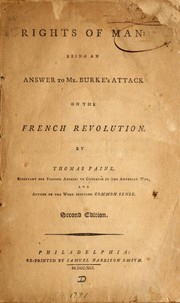 Rights of ManThomas PaineA fiery, foundational defense of human dignity that dismantles the divine right of kings with sharp, accessible rhetoric.
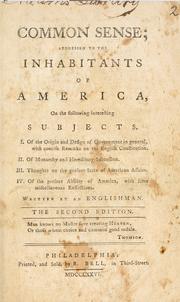 Common SenseThomas PaineA fiery, plainspoken match struck in the dark of political complacency, designed to ignite a revolution.
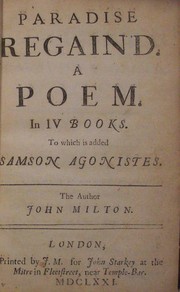 Paradise RegainedJohn MiltonA masterful, poetic exploration of temptation and humanity that demands total commitment from both mind and heart.
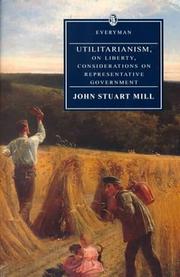 UtilitarianismJohn Stuart MillA rigorous, foundational exploration of what it means to live a good life and build a just society based on the maximization of human happiness.
 A Letter Concerning TolerationJohn LockeA foundational, methodical plea for the separation of church and state that champions the freedom of individual conscience.