Books › Changing fortunes

Changing fortunes
394 pages
An authoritative, dual-perspective journey through fifty years of global economic upheaval, told by the statesmen who navigated the storms.
What it feels like
Reading this book feels like sitting in a quiet, wood-paneled room with two architects of the modern global economy as they candidly dissect fifty years of financial history. The pace is steady and deliberate, guiding the reader through a sweeping landscape of post-war stability, sudden oil shocks, and shifting geopolitical power. It carries an authoritative, reflective tone, balancing high-level macroeconomic analysis with keen, personal insights into the personalities behind the policies. The mood is deeply intellectual and serious, steeped in the weight of decisions that shaped nations. It will thoroughly engage readers who crave a nuanced, dual-perspective understanding of international finance, offering a front-row seat to the turbulent evolution of the world's monetary order.
- Mood
- intellectual
- serious
- contemplative
- expansive
- Tone
- authoritative
- candid
- analytical
- reflective
- Pace
- steady
- Themes
- shifting global power · economic upheaval · the weight of leadership · international diplomacy
- The writing
- Clear, candid, and analytical, translating complex macroeconomic shifts and political maneuvers into an accessible historical narrative.
- The arc
- Moves from the confident stability of a post-war era through decades of turbulent crises to a reflective, complex view of a shared global future.
- Who it's for
- History and economics enthusiasts who want an insider's perspective on the decisions that shaped the modern global financial system.
Content notes
- discussions of economic crises
- political turmoil
About the book
A sweeping work of history and analysis, Changing Fortunes chronicles the worlds economic upheavals since 1945 and the challenges to American prosperity and hegemony--from the perspective of two distinguished statesman, an American and a Japanese. Paul Volcker, the legendary former chairman of the Federal Reserve Board, and Toyoo Gyohten, one of Japan's leading economic policy makers, have been major figures on the world scene for more than two decades. In Changing Fortunes, they explain the huge changes in the international monetary order both helped to shape. With candor and insight, Volcker and Gyohten explore the decisions and personalities that have influenced the world's economy over the last fifty years.
Changing Fortunes begins with the stability and wealth of the Bretton Woods era and stretches through the financial turmoils of the Vietnam War; the devaluation, floating, and ensuing decline of the dollar; the oil shocks of the 1970s and the Federal Reserves battle against inflation; the Latin American debt crisis; and, finally, the Reagan administration's attempt to manage the international economy after first ignoring the consequences of its policies for the rest of the world. Volcker and Gyohten recount each episode from an American and a Japanese position, offering a uniquely broad view of critical issues. Through keen portraits of the people and the politics of international economics, the authors bring a complex subject to life and address fundamental questions for the world's economic order after the Cold War--a world in which the United States must share the burdens of leadership.
As Paul Volcker writes in the introduction: "How much of the relative decline of the United States was natural, how much of it was desirable, and how much of it came from self-inflicted wounds? Should we, with the help of the Japanese, have worked harder to maintain the Bretton Woods system and the stability its exchange rates provided? Has the breakdown of that system been partly responsible for the slower world growth and greater instability in the past two decades? Where do we go from here without so dominant and enlightened a leader as the United States was at the end of World War II?" Lucid, accessible, and full of challenging insights, Changing Fortunes is essential reading for anyone interested in the world's money--past, present, and future.
Description from Open Library.
Books like Changing fortunes
See why they match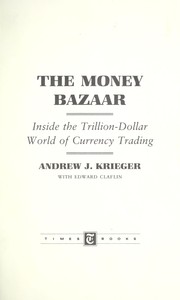 The money bazaarAndrew J. KriegerAn eye-opening plunge into the volatile, unregulated, and high-speed world of global currency trading.
 Trading placesClyde V. PrestowitzA fascinating time capsule of 1980s geopolitical anxiety that reads like an urgent briefing from the front lines of global trade.
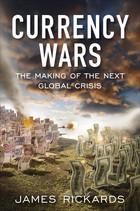 Currency warsJames RickardsAn urgent, high-stakes exploration of the hidden financial battles threatening the stability of the global economy.
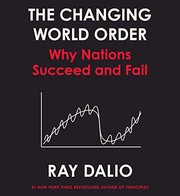 Changing World OrderRay DalioA sweeping, data-driven lens on the cyclical rise and fall of empires that makes the chaotic present feel historically inevitable.
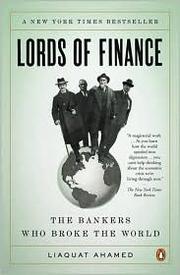 Lords of financeLiaquat AhamedA slow-motion trainwreck of historical hubris, where the quirks of four men bring the global economy to its knees.
 This time is differentCarmen M. ReinhartA sweeping, data-rich reality check that proves financial hubris is humanity's oldest repeating loop.