Books › Dead aid

Dead aid
256 pages
A provocative and analytical dismantling of the traditional approach to international relief.
What it feels like
This is a serious, analytically driven read that challenges deeply held assumptions about international relief and economic development. The narrative moves at a steady, deliberate pace, methodically arguing against the efficacy of traditional financial assistance to developing nations. Its tone is direct and critical, creating a provocative atmosphere that asks the reader to confront the unintended consequences of systemic aid, such as corruption and dependency. The prose is clear and persuasive, focused entirely on dismantling established economic narratives rather than offering comforting platitudes. It is an urgent, thought-provoking experience designed for readers who want to critically examine global economic conditions, the history of international assistance, and the complex realities of poverty and structural change.
- Mood
- serious
- provocative
- urgent
- Tone
- critical
- analytical
- direct
- argumentative
- Pace
- steady
- Themes
- economic development · systemic corruption · international relief · unintended consequences
- The writing
- Clear, persuasive, and analytical, focused on dismantling established economic narratives.
- The arc
- Moves from a critical examination of systemic failure toward a provocative call for structural change.
- Who it's for
- Readers interested in global economics, international relations, and critical perspectives on systemic poverty.
Content notes
- discussions of poverty
- systemic corruption
About the book
Argues that international aid sent to developing African nations has not helped and contends that the money has led to corrupt governments and dependent citizens.
Description from Open Library.
Books like Dead aid
See why they match The bottom billionPaul CollierA sobering yet pragmatic deep dive into the structural traps that keep the world's poorest nations from thriving.
 Fighting Corruption Is DangerousNgozi Okonjo-IwealaA gripping, frontline account of the perilous, high-stakes battle to dismantle entrenched political graft.
 The looting machineTom BurgisA sobering, urgent investigation into the systemic exploitation that keeps a resource-rich continent economically precarious.
 Poor EconomicsEsther DufloA pragmatic, deeply empathetic exploration of how the world's poorest people actually live and make decisions, replacing dogma with data.
 Why Nations FailDaron Acemoglu and James A. RobinsonA sweeping, intellectually rigorous journey through history that decodes the hidden machinery of global inequality.
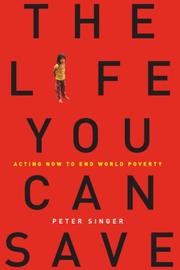 The life you can savePeter SingerA rigorously logical yet deeply humane challenge to rethink what it means to live an ethical life.