Books › Free
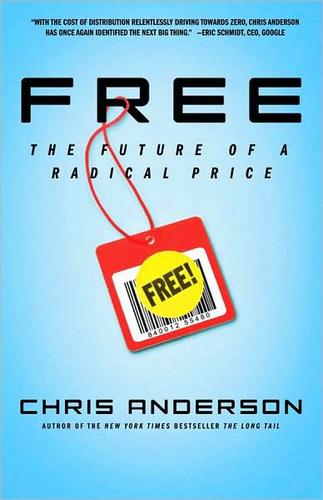
Free
the future of a radical price
First published 2009 · 288 pages
A paradigm-shifting exploration of how the digital age turned a promotional gimmick into the bedrock of modern economics.
What it feels like
Reading this book feels like sitting in on a masterclass about the hidden gears of the modern digital economy. The pace is brisk and journalistic, pulling you through a landscape where the traditional rules of scarcity no longer apply. It carries an optimistic, forward-looking mood, replacing economic anxiety with a sense of expansive possibility. The prose is clear and accessible, translating complex shifts in technology and pricing into compelling, digestible anecdotes. You start with a simple question about how companies survive without charging money, and end up with a completely rewired understanding of value, abundance, and human behavior. It is a perfect fit for entrepreneurs, marketers, and armchair economists who devour paradigm-shifting theories and want to understand the invisible forces shaping our technological future.
- Mood
- intellectually stimulating
- forward-looking
- expansive
- Tone
- optimistic
- analytical
- persuasive
- visionary
- Pace
- brisk
- Themes
- economics of abundance · digital disruption · shifting paradigms of value · psychology of pricing · technological acceleration
- The writing
- Clear, journalistic, and engaging, relying on compelling anecdotes and accessible data to explain complex economic shifts.
- The arc
- Moves from curiosity about a counterintuitive concept to a sense of expansive possibility regarding the future of commerce.
- Who it's for
- Entrepreneurs, marketers, and armchair economists who love paradigm-shifting business theories and tech-driven futurism.
About the book
The author heralds the future of business in Free.In his revolutionary bestseller, The Long Tail, Chris Anderson demonstrated how the online marketplace creates niche markets, allowing products and consumers to connect in a way that has never been possible before. Now, in Free, he makes the compelling case that in many instances businesses can profit more from giving things away than they can by charging for them. Far more than a promotional gimmick, Free is a business strategy that may well be essential to a company’s survival.The costs associated with the growing online economy are trending toward zero at an incredible rate. Never in the course of human history have the primary inputs to an industrial economy fallen in price so fast and for so long. Just think that in 1961, a single transistor cost $10; now Intel’s latest chip has two billion transistors and sells for $300 (or 0.000015 cents per transistor—effectively too cheap to price). The traditional economics of scarcity just don’t apply to bandwidth, processing power, and hard-drive storage.Yet this is just one engine behind the new Free, a reality that goes beyond a marketing gimmick or a cross-subsidy. Anderson also points to the growth of the reputation economy; explains different models for unleashing the power of Free; and shows how to compete when your competitors are giving away what you’re trying to sell.In Free, Chris Anderson explores this radical idea for the new global economy and demonstrates how this revolutionary price can be harnessed for the benefit of consumers and businesses alike.
Description from Open Library.
Books like Free
See why they match The Long TailChris AndersonAn intellectually exhilarating exploration of how the internet killed the mainstream and crowned the niche.
 All marketers are liarsSeth GodinA brisk, provocative exploration of why we believe what we believe, and how to craft narratives that resonate deeply.
 WikinomicsDon TapscottAn optimistic, case-study-fueled exploration of how the internet's hive mind is rewriting the rules of innovation and business.
 Zero to OnePeter A. ThielA sharp, contrarian manifesto that challenges you to stop copying the present and start inventing the future.
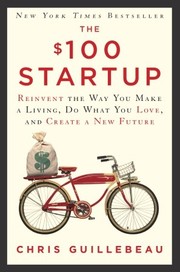 The $100 startupChris GuillebeauA shot of pure entrepreneurial espresso that makes the leap from daydream to reality feel entirely within reach.
 Hacking growthSean EllisA high-octane playbook that transforms the chaotic art of scaling a business into a rigorous, repeatable science.