Books › Human Action

Human Action
A Treatise on Economics
1128 pages
A profound, analytical exploration of how individual human choices build the complex machinery of the global economy.
What it feels like
Reading this comprehensive treatise feels like stepping into a grand, meticulously constructed intellectual architecture. The pace is steady and methodical, demanding the reader's full attention as it builds from the simplest premise—that individuals act with purpose—into a sweeping explanation of complex market phenomena. The mood is deeply analytical and serious, steeped in the philosophical traditions of the Austrian school of economics. Rather than relying on dry statistics, the prose focuses on logical deduction, exploring the profound implications of human choice, cooperation, and competition. It is an authoritative, thought-provoking experience designed for readers who want to understand the fundamental mechanics of society, prices, and commerce through the lens of individual agency and purposive action.
- Mood
- intellectual
- contemplative
- serious
- Tone
- academic
- analytical
- authoritative
- philosophical
- methodical
- Pace
- steady
- Themes
- individual agency · market dynamics · human choice and purpose · economic philosophy · cause and effect in society
- The writing
- Comprehensive, analytical, and deeply philosophical, focusing on logical deduction and clear explanations of complex phenomena.
- The arc
- Moves from foundational principles of individual choice to a sweeping understanding of complex societal systems.
- Who it's for
- Readers fascinated by economic theory, the Austrian school, and the philosophical underpinnings of human choice and market behavior.
About the book
"Human Action: A Treatise on Economics" is the first comprehensive treatise on economics written by a leading member of the modern Austrian school of economics. Von Mises contribution was very simple, yet at the same time extremely profound: he pointed out that the whole economy is the result of what individuals do. Individuals act, choose, cooperate, compete, and trade with one another. In this way Mises explained how complex market phenomena develop. Mises did not simply describe economic phenomena - prices, wages, interest rates, money, monopoly and even the trade cycle - he explained them as the outcomes of countless conscious, purposive actions, choices, and preferences of individuals, each of whom was trying as best as he or she could under the circumstances to attain various wants and ends and to avoid undesired consequences. Hence the title Mises chose for his economic treatise, "Human Action."
Description from Open Library.
Books like Human Action
See why they match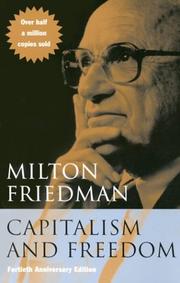 Capitalism and freedomMilton FriedmanA rigorous, uncompromising intellectual exercise that challenges the reader to rethink the relationship between the state and the individual.
 The Human ConditionHannah ArendtA rigorous, sweeping philosophical diagnosis of modern alienation that challenges how we understand labor, action, and what it means to be truly free.
 Economics in One LessonHenry HazlittA brisk, no-nonsense intellectual clearing of the brush that makes the complex machinery of society suddenly look simple.
 Basic economicsThomas SowellA masterclass in stripping away political rhetoric to reveal the hidden, often counterintuitive gears that drive human societies.
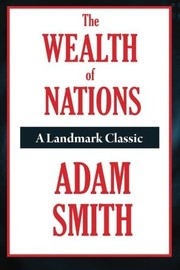 The Wealth of NationsAdam SmithA monumental, methodical journey into the philosophical roots of commerce, labor, and human ambition.
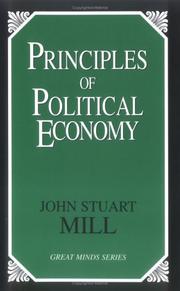 Principles of Political EconomyJohn Stuart MillA rigorous, foundational exploration of how wealth, trade, and social philosophy intersect in a changing world.