Books › Imperializm, kak vysshai͡a︡ stadii͡a︡ kapitalizma

Imperializm, kak vysshai͡a︡ stadii͡a︡ kapitalizma
First published 1920 · 248 pages
A sharp, data-driven dissection of global power structures that reads with the urgency of a revolutionary manifesto.
What it feels like
Reading this foundational text feels less like sitting in a dusty lecture hall and more like being handed a blueprint of global power dynamics in the midst of a crisis. The pace is steady and deliberate, anchored by dense statistical analysis and economic theory, yet it pulses with an undeniable, scathing urgency. Lenin's prose is sharp, polemical, and fiercely argumentative, stripping away the veneer of early twentieth-century global politics to expose the raw mechanics of financial capital and colonial exploitation. The mood is intellectually rigorous and tense, demanding the reader's full attention as it builds its case. It will deeply satisfy students of political economy, Marxist theorists, and anyone looking to understand the historical roots of modern global inequality through a fiercely anti-capitalist lens.
- Mood
- academic
- revolutionary
- tense
- intellectually rigorous
- Tone
- analytical
- polemical
- urgent
- authoritative
- scathing
- Pace
- steady
- Themes
- systemic exploitation · mechanics of power · historical inevitability · global inequality · evolution of capital
- The writing
- Direct, heavily cited, and sharply rhetorical, blending statistical analysis with biting political critique.
- The arc
- Moves from a dense, data-driven analysis of economic structures to a fiery, urgent recognition of the precipice of global change.
- Who it's for
- Students of political economy, Marxist theorists, and readers seeking foundational texts on anti-capitalist and anti-imperialist thought.
Content notes
- discussions of war
- systemic oppression
- colonialism
About the book
Imperialism, the Highest Stage of Capitalism (1917), by Vladimir Lenin, describes the function of financial capital in generating profits from imperialist colonialism as the final stage of capitalist development to ensure greater profits. The essay is a synthesis of Lenin's modifications and developments of economic theories that Karl Marx formulated in Das Kapital (1867).
Description from Open Library.
Books like Imperializm, kak vysshai͡a︡ stadii͡a︡ kapitalizma
See why they match Das KapitalKarl MarxA dense, monumental dissection of the capitalist machine that rewards patient readers with flashes of biting sarcasm and revolutionary fury.
 State and RevolutionVladimir Ilyich LeninA fiercely urgent, unapologetic blueprint for dismantling the machinery of the state.
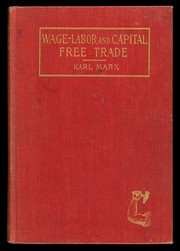 Lohnarbeit und KapitalKarl MarxA sharp, foundational dissection of the invisible forces that turn human time into capital.
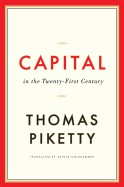 Le capital au XXIe siècleThomas PikettyA monumental, data-driven reckoning with the historical forces that concentrate wealth and power.
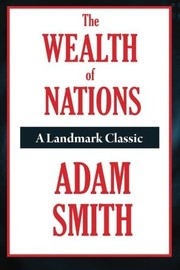 The Wealth of NationsAdam SmithA monumental, methodical journey into the philosophical roots of commerce, labor, and human ambition.
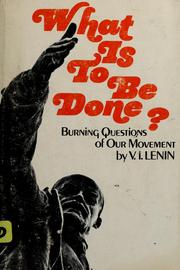 Chto delatʹ?Lenin, Vladimir IlyichA fiery, uncompromising blueprint for revolution that demands absolute ideological clarity and strategic discipline.