Books › Moord op Lumumba

Moord op Lumumba
415 pages
A tense, historically grounded exploration of a pivotal and tragic moment in post-colonial geopolitics.
What it feels like
Reading this book feels like stepping into the tense, politically charged atmosphere of a newly independent nation on the brink of crisis. The narrative maintains a steady, investigative pace, carefully unraveling the complex web of foreign relations and internal strife that defined the Congo in the early 1960s. The mood is inherently heavy and foreboding, shadowed by the looming reality of assassination and civil war. Its prose is serious and historically grounded, focusing on the intricate details of geopolitical maneuvering rather than sensationalism. It is a deeply sobering experience, perfect for readers who are drawn to rigorous historical accounts of post-colonial transitions and the dark realities of mid-century global politics.
- Mood
- tense
- politically charged
- heavy
- foreboding
- Tone
- serious
- investigative
- objective
- historical
- Pace
- steady
- Themes
- political upheaval · the weight of history · post-colonial transition · geopolitical maneuvering
- The writing
- Detailed and historically grounded, focusing on the complex web of foreign relations and political events.
- The arc
- Moves from the tense anticipation of a newly independent nation to the grim reality of political violence and civil war.
- Who it's for
- Readers who appreciate deep, investigative historical accounts of mid-century geopolitics and post-colonial struggles.
Content notes
- assassination
- civil war
- political violence
About the book
On independence day in the Congo, 30 June 1960, the Palais de la Nation in Leopoldville is packed with Congolese and foreign dignitaries.
Description from Open Library.
Books like Moord op Lumumba
See why they match CongoDavid van ReybrouckA sweeping, unflinching journey through centuries of exploitation, resilience, and turbulent history.
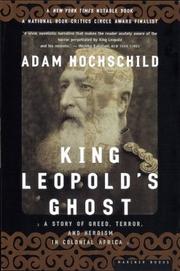 King Leopold's ghostAdam HochschildA harrowing, character-driven descent into one of history's most brutal colonial atrocities, illuminated by the fierce courage of early human rights crusaders.
 We wish to inform you that tomorrow we will be killed with our familiesPhilip GourevitchA devastating, essential work of narrative journalism that forces the reader to confront the darkest depths of human cruelty and the agonizing complexities of survival.
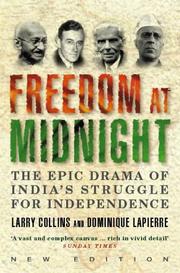 Freedom at MidnightDominique Lapierre and Larry CollinsA sweeping, cinematic chronicle of an empire's final days and the bloody, triumphant birth of two nations.
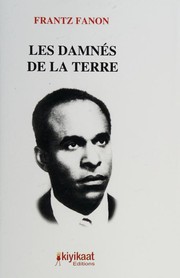 Les damnés de la terreFrantz FanonA searing, intellectual lightning strike that dissects the anatomy of oppression and demands a radical reimagining of the world.
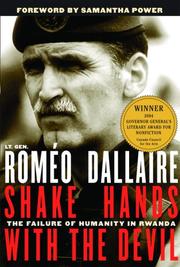 Shake hands with the devilDallaire, RomeoA devastating, unflinching descent into a preventable nightmare that forces the reader to bear witness to the catastrophic cost of global apathy.