Books › Moriæ Encomium
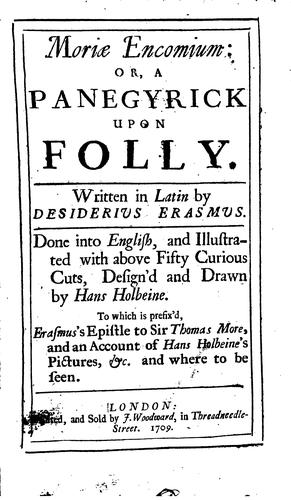
Moriæ Encomium
First published 1946 · 1244 pages
A brilliantly ironic oration that skewers human arrogance and celebrates the liberating power of absurdity.
What it feels like
Reading this Renaissance masterpiece feels like attending a brilliant, subversive roast where human nature itself is the guest of honor. The narration is theatrical and relentlessly ironic, moving at a brisk, conversational clip as it skewers everything from pompous scholars to corrupt clerics. The atmosphere is deeply intellectual yet wonderfully irreverent, inviting you to laugh at the universal absurdities that bind humanity together. Beneath the playful paradoxes and dazzling rhetorical flourishes lies a surprisingly earnest meditation on the necessity of self-deception and the true nature of wisdom. It is a perfect match for readers who love sharp, philosophical satire and delight in watching a masterful mind dismantle the hypocrisies of polite society with a wink and a smile.
- Mood
- irreverent
- theatrical
- intellectual
- lively
- Tone
- satirical
- ironic
- playful
- biting
- erudite
- Pace
- brisk
- Themes
- absurdity of human nature · religious hypocrisy · necessity of self-deception · intellectual hubris · paradox of wisdom
- The writing
- Rhetorically dazzling and densely layered with irony, classical allusions, and sharp paradoxes.
- The arc
- Moves from a lighthearted, theatrical boast to a sharp, biting critique of society, ending in a surprisingly profound meditation on spiritual devotion.
- Who it's for
- Readers who delight in classic satire, philosophical paradoxes, and witty takedowns of institutional arrogance.
Content notes
- religious satire
About the book
"First published in Paris in 1511, The Praise of Folly enjoyed enormous and highly controversial success from the author's lifetime down to our own day. The Praise of Folly has no rival, except perhaps Thomas More's Utopia, as the most intense and lively presentation of the literary, social, and theological aims and methods of Northern Humanism. Clarence H. Miller's highly praised translation of The Praise of Folly, based on the definitive Latin text, echoes Erasmus' own lively style while retaining the nuances of the original text. In his Introduction, Miller places the work in the context of Erasmus as humanist and theologian. In a new Afterword, William H. Gass playfully considers the meaning, or meanings, of folly and offers fresh insights into one of the great books of Western literature."--BOOK JACKET.
Description from Open Library.
Books like Moriæ Encomium
See why they match UtopiaSir Thomas More (Saint)A foundational thought experiment that invites you to wander the streets of an impossibly rational, deeply ambiguous society.
 NarrenschiffSebastian BrantAn archaic, multilingual verse exploration of human foolishness, preserved from the early sixteenth century.
 Enarrationes in PsalmosAugustine of HippoA sweeping, deeply pastoral journey through human emotion and divine grace, anchored in ancient spiritual song.
 Der AntichristFriedrich NietzscheA blistering, unapologetic philosophical hammer taken to the foundations of Western morality.
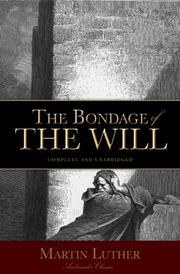 De servo arbitrioMartin LutherA weighty, resolute exploration of human limitation and the absolute sovereignty of divine grace.
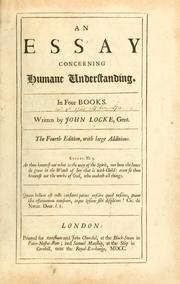 Essay concerning human understandingJohn LockeA rigorous, methodical excavation of the human mind that asks how we come to know anything at all.