Books › Utopia

Utopia
783 pages
A foundational thought experiment that invites you to wander the streets of an impossibly rational, deeply ambiguous society.
What it feels like
Reading this foundational text feels less like consuming a narrative and more like sitting in a quiet, wood-paneled room listening to a well-traveled philosopher spin a captivating thought experiment. The pace is decidedly leisurely, inviting you to linger over detailed descriptions of civic planning, communal dining, and rational governance. Its tone walks a razor-thin line between earnest idealism and dry, subtle satire, leaving you constantly questioning whether the author is presenting a genuine blueprint for human flourishing or a sly critique of human folly. The prose is formal and rhetorical, building an atmosphere that is deeply intellectual and contemplative. It is a perfect read for those who love to dismantle societal norms and ponder the intricate, often paradoxical nature of justice, equality, and the elusive concept of a perfect world.
- Mood
- contemplative
- intellectual
- idealistic
- ambiguous
- Tone
- satirical
- philosophical
- inquisitive
- didactic
- Pace
- leisurely
- Themes
- societal perfection · the nature of justice · human folly · communal living · the limits of reason
- The writing
- Formal, descriptive, and dialogue-heavy, characterized by a rhetorical elegance that masks its deeper ironies.
- The arc
- Moves from a critical frustration with the injustices of the real world into a fascinated, slightly detached exploration of an impossibly rational alternative.
- Who it's for
- Readers who enjoy political philosophy, thought experiments, and classic literature that challenges the foundations of societal norms.
Content notes
- discussions of slavery
- colonialism
- capital punishment
- euthanasia
About the book
First published in 1516, Thomas More's Utopia is one of the most important works of European humanism. Through the voice of the mysterious traveler Raphael Hythloday, More describes a pagan, communist city-state governed by reason. Addressing such issues as religious pluralism, women's rights, state-sponsored education, colonialism, and justified warfare, Utopia seems remarkably contemporary nearly five centuries after it was written, and it remains a foundational text in philosophy and political theory.
Description from Open Library.
Books like Utopia
See why they match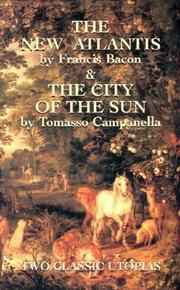 Nova AtlantisFrancis BaconA serene, visionary voyage into an enlightened society where scientific discovery is revered as the highest human calling.
 A Modern UtopiaH. G. WellsA cerebral journey through a meticulously engineered society that asks what humanity must sacrifice to achieve absolute perfection.
 UtilitarianismJohn Stuart MillA rigorous, foundational exploration of what it means to live a good life and build a just society based on the maximization of human happiness.
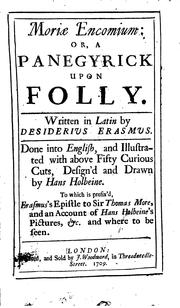 Moriæ EncomiumDesiderius ErasmusA brilliantly ironic oration that skewers human arrogance and celebrates the liberating power of absurdity.
 Utopia for RealistsRutger BregmanA shot of intellectual espresso that makes a radically better world feel entirely within our grasp.
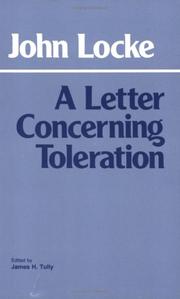 A Letter Concerning TolerationJohn LockeA foundational, methodical plea for the separation of church and state that champions the freedom of individual conscience.