Books › Nuremberg diary

Nuremberg diary
430 pages
A chilling, front-row seat to the psychological rationalizations of history's most notorious architects of evil.
What it feels like
Reading this book feels like sitting in a cold, claustrophobic cell with the architects of history's greatest atrocities. The pace is steady and methodical, driven by the daily rhythm of a prison diary, yet the atmosphere is thick with an unsettling, dread-soaked gravity. The prose is stark, clinical, and unadorned, allowing the horrifyingly mundane rationalizations of the prisoners to speak for themselves without editorializing. It is a heavy, sobering experience that traces a dark emotional arc from morbid fascination to a profound confrontation with the banality of evil. This is a must-read for history and psychology enthusiasts who want to look directly into the abyss and understand how human minds justify the unimaginable.
- Mood
- claustrophobic
- dread-soaked
- somber
- unsettling
- Tone
- clinical
- observant
- objective
- probing
- chilling
- Pace
- steady
- Themes
- the banality of evil · psychological rationalization · guilt and denial · the architecture of atrocity
- The writing
- Direct, unadorned, and journalistic, relying heavily on verbatim dialogue and immediate, clinical observation.
- The arc
- Moves from morbid curiosity to a profound, heavy realization of the mundane nature of profound evil.
- Who it's for
- Readers fascinated by history, psychology, and the dark extremes of human nature who appreciate unvarnished primary sources.
Content notes
- Holocaust atrocities
- war crimes
- antisemitism
- suicide
- discussions of mass murder
About the book
Nuremberg Diary is Gustave Gilbert's account of and interviews he conducted during the Nuremberg Trials of Nazi leaders, including Hermann Göring, involved in World War II and the Holocaust. Dr. Gilbert, a fluent German speaker, served as a prison psychologist in Nuremberg, where he had close contact with those on trial. The text is the verbatim notes Gilbert took immediately after having conversations with the prisoners, information backed up by essays he asked them to write about themselves.[1] The diary was first published in 1947 and reissued in 1961,[2] just before the trial of Adolf Eichmann in Jerusalem.
Description from Open Library.
Books like Nuremberg diary
See why they match 22 cells in NurembergDouglas McGlashan KelleyA chilling, clinical descent into the minds of history's most notorious figures, revealing the terrifying ordinariness of evil.
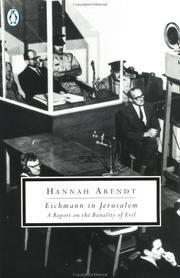 Eichmann in JerusalemHannah ArendtA chilling, intellectually rigorous dissection of how ordinary bureaucracy facilitates unimaginable atrocities.
 Berlin diaryWilliam L. ShirerA chilling, real-time chronicle of a society willingly surrendering to darkness, penned from the belly of the beast.
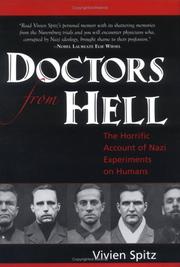 Doctors From HellVivien SpitzA harrowing, eyewitness descent into the darkest corners of medical history and the solemn courtroom fight to reclaim human dignity.
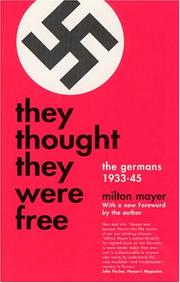 They Thought They Were FreeMilton MayerA chilling, penetrating look into the minds of ordinary people who became complicit in one of history's darkest regimes.
 The Nazi DoctorsRobert Jay LiftonA chilling, methodical descent into the psychological mechanisms that allowed healers to become mass murderers.