Books › 22 cells in Nuremberg

22 cells in Nuremberg
First published 1947 · 245 pages
A chilling, clinical descent into the minds of history's most notorious figures, revealing the terrifying ordinariness of evil.
What it feels like
Reading this book feels like sitting in a stark, fluorescent-lit interrogation room, separated from history's darkest figures by only a clipboard and a psychological assessment. The pacing is methodical and steady, driven not by action but by the quiet, unsettling tension of clinical observation. Kelley's prose is remarkably detached, stripping away the myth of the monster to reveal something far more disturbing: ordinary men driven by opportunism, ego, and ambition. The mood is inherently claustrophobic, trapping you in the cells with these architects of atrocity while forcing you to confront the uncomfortable reality of human nature. It is a sobering, intellectually rigorous experience that will deeply resonate with readers who gravitate toward theories on the banality of evil and those fascinated by the psychological underpinnings of authoritarianism.
- Mood
- claustrophobic
- unsettling
- stark
- intellectually tense
- Tone
- clinical
- objective
- chilling
- analytical
- sobering
- Pace
- steady
- Themes
- the banality of evil · psychology of power · moral corruption · human capacity for atrocity · opportunism versus ideology
- The writing
- Clear, methodical, and clinically detached, prioritizing psychological observation over sensationalism.
- The arc
- Moves from intense curiosity about the minds of monsters to a chilling realization of their terrifying ordinariness.
- Who it's for
- Readers fascinated by historical psychology, the mechanics of authoritarianism, and the dark, pragmatic realities of human nature.
Content notes
- discussions of genocide
- antisemitism
- war crimes
- suicide
- psychological manipulation
About the book
22 Cells in Nuremberg (1947) is a first-hand account by Dr. Douglas M. Kelley, the American psychiatrist tasked with evaluating 22 top-ranking Nazi leaders including Hermann Göring -- awaiting trial. Kelley provides psychological profiles and in-cell interviews, concluding that these leaders were largely sane, ordinary, and opportunistic, rather than unique monsters
Description from Open Library.
Books like 22 cells in Nuremberg
See why they match Nuremberg diaryG. M. GilbertA chilling, front-row seat to the psychological rationalizations of history's most notorious architects of evil.
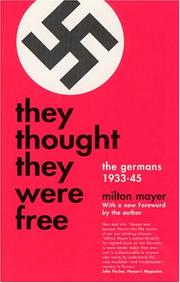 They Thought They Were FreeMilton MayerA chilling, penetrating look into the minds of ordinary people who became complicit in one of history's darkest regimes.
 Kommandant in AuschwitzRudolph HossA chillingly detached, bureaucratic descent into the mind of a mass murderer that exposes the terrifying banality of evil.
 Doctors From HellVivien SpitzA harrowing, eyewitness descent into the darkest corners of medical history and the solemn courtroom fight to reclaim human dignity.
 Mein KampfAdolf HitlerA dense, disturbing descent into the paranoid and fanatical mind that orchestrated one of history's greatest atrocities.
 A first-rate madnessS. Nassir GhaemiA provocative and analytical exploration that reframes mental illness as a profound asset in times of historical crisis.