Books › Strangers drowning

Strangers drowning
688 pages
A deeply unsettling and beautifully written exploration of what happens when people take morality to its absolute, uncompromising limits.
What it feels like
Reading this book feels like sitting down for a long, intense conversation that fundamentally shifts how you view the world. It is a steady, deeply probing exploration of extreme virtue that manages to be both awe-inspiring and profoundly unsettling. The prose is elegant and empathetic, weaving intimate biographical portraits with philosophical history to ask uncomfortable questions about moral obligation. You are not just reading about these radical altruists; you are constantly measuring yourself against them, feeling the friction between their uncompromising ideals and everyday human compromises. It is a challenging, introspective journey perfect for fans of narrative nonfiction who want to be intellectually provoked and emotionally moved, leaving them wrestling with its ethical dilemmas long after the final page.
- Mood
- introspective
- challenging
- unsettling
- contemplative
- Tone
- thoughtful
- empathetic
- probing
- philosophical
- Pace
- steady
- Themes
- extreme altruism · moral obligation · the limits of empathy · ethical dilemmas · humanitarianism
- The writing
- Elegant, lucid, and deeply empathetic, weaving complex philosophical questions into gripping human narratives.
- The arc
- Moves from awe at extraordinary selflessness to deep, uncomfortable introspection about one's own moral compromises.
- Who it's for
- Readers who love narrative nonfiction that challenges their worldview and forces them to grapple with difficult ethical questions.
Content notes
- child endangerment
- illness
- poverty
- moral distress
About the book
"What does it mean to devote yourself wholly to helping others? In Strangers Drowning, Larissa MacFarquhar seeks out people living lives of extreme ethical commitment and tells their deeply intimate stories; their stubborn integrity and their compromises; their bravery and their recklessness; their joys and defeats and wrenching dilemmas. A couple adopts two children in distress. But then they think: If they can change two lives, why not four? Or ten? They adopt twenty. But how do they weigh the needs of unknown children in distress against the needs of the children they already have? Another couple founds a leprosy colony in the wilderness in India, living in huts with no walls, knowing that their two small children may contract leprosy or be eaten by panthers. The children survive. But what if they hadn't? How would their parents' risk have been judged? A woman believes that if she spends money on herself, rather than donate it to buy life-saving medicine, then she's responsible for the deaths that result. She lives on a fraction of her income, but wonders: when is compromise self-indulgence and when is it essential? We honor such generosity and high ideals; but when we call people do-gooders there is skepticism in it, even hostility. Why do moral people make us uneasy? Between her stories, MacFarquhar threads a lively history of the literature, philosophy, social science, and self-help that have contributed to a deep suspicion of do-gooders in Western culture. Through its sympathetic and beautifully vivid storytelling, Strangers Drowning confronts us with fundamental questions about what it means to be human. In a world of strangers drowning in need, how much should we help, and how much can we help? Is it right to care for strangers even at the expense of those we are closest to? Moving and provocative, Strangers Drowning challenges us to think about what we value most, and why."--provided by publisher.
Description from Open Library.
Books like Strangers drowning
See why they match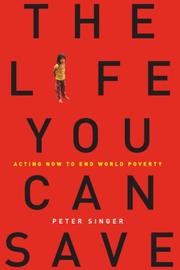 The life you can savePeter SingerA rigorously logical yet deeply humane challenge to rethink what it means to live an ethical life.
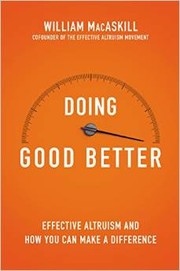 Doing Good BetterWilliam MacAskillA clear-eyed, data-driven guide that replaces the guilt of global suffering with the empowering math of doing actual good.
 ScarcitySendhil MullainathanA thought-provoking exploration of how the feeling of not having enough rewires our brains and shapes our world.
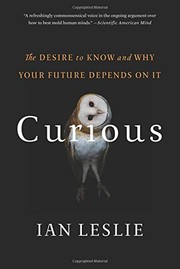 CuriousIan LeslieAn urgent, intellectually stimulating wake-up call about the difference between easily googled facts and the deep, empathetic quest for true understanding.
 What We Owe the FutureWilliam MacAskillA sweeping, mind-expanding philosophical journey that radically reframes your place in the vast stretch of human history.
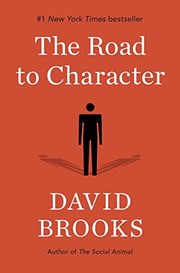 The Road to CharacterDavid BrooksAn earnest, biographical meditation on cultivating deep inner goodness in a world obsessed with external achievement.