Books › The Moral Landscape
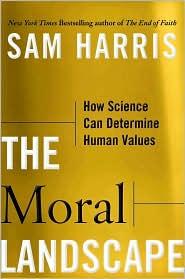
The Moral Landscape
How Science Can Determine Human Values
384 pages
A sharp, unapologetic argument that science, not religion or philosophy, holds the key to human morality.
What it feels like
Reading this book feels like sitting in a brightly lit lecture hall with a brilliantly articulate, uncompromising professor. The atmosphere is intensely intellectual and provocative, demanding your full cognitive engagement as it systematically dismantles moral relativism and religious dogma. The prose is sharp, lucid, and unapologetically assertive, guiding you through complex intersections of neuroscience and philosophy at a steady, deliberate pace. It is a deeply rational experience, stripping away emotional appeals in favor of cold, hard logic, yet it ultimately builds toward a surprisingly hopeful vision of maximizing human well-being. This is a book that delights secular humanists, science enthusiasts, and anyone who loves a rigorous, paradigm-shifting debate that challenges deeply held assumptions about right and wrong.
- Mood
- intellectual
- provocative
- serious
- contemplative
- Tone
- assertive
- analytical
- polemical
- confident
- lucid
- Pace
- steady
- Themes
- objective morality · science and ethics · human well-being · dismantling moral relativism · secular humanism
- The writing
- Lucid, sharp, and uncompromisingly direct, prioritizing clarity and logical progression over rhetorical flourish.
- The arc
- Moves from a provocative dismantling of traditional moral frameworks to a confident, rational vision of a scientifically guided future.
- Who it's for
- Secular humanists, science enthusiasts, and philosophy buffs who enjoy rigorous, unapologetic debates about ethics and human nature.
Content notes
- anti-religious sentiment
- discussions of violence and suffering
About the book
What is the best “moral” decision that you can make in any given situation? Many aspects of your physical being work in unison to be able to use your cognitive processes to even come to a conscious decision. There have been many instances, especially recently, where scientific research is being conducted wherein people think about not just morality and what it means to them but also what is occurring inside the various regions of the brain.
Sam Harris, the author of this book, tries to argue that we as humans should try to use science in a way to help us come to better moral decisions that increase the well-being of all humans. Like the studies I was referring to, Mr. Harris wants those scientific studies to be used in such a way as to try to help us make better, quicker, more efficient, and most importantly, the most beneficial decisions to improve or maintain our well-being. Although I do not agree will all the arguments that Mr. Harris presents, I do believe that reading this book is a worthwhile endeavor.
Mr. Harris argues that there are objective moral values that can be and possibly are established into society through science. A relativist, he begins to break down the moral decisions and the bodily functions that occur, for conscious creatures from the molecular level, and introduces the reader to the general research that is being conducted in various cognitive areas.
He makes no qualms as to how he is opposed to religious thought, and if you are offended, I suggest you move ahead from this section. He presents several instances where brain scans and diagrams show what parts of the brain are being used when someone is having a religious experience or felt the presence of their religious deity.
He also presents an extensive section to the studies that have been done on people with diagnosed schizophrenia. The studies that are discussed brought new information to me on how cognitive diseases and patients of those diseases are studied and treated in hospitals and extended stay medical areas.
Description from Open Library.
Books like The Moral Landscape
See why they match Free willSam HarrisA sharp, paradigm-shifting essay that systematically dismantles the illusion of human agency, leaving behind a stark but strangely comforting clarity.
 The End of FaithSam HarrisAn uncompromising, razor-sharp intellectual wake-up call that dismantles the societal taboo against criticizing religious dogma.
 How we decideJonah LehrerA brisk, anecdote-rich tour through the hidden neurological gears that drive our everyday choices.
 The Bonobo and the AtheistHenry Cabot Lodge (Jr.)A warm, scientifically grounded exploration that finds the roots of human goodness not in the heavens, but in the earth and our primate cousins.
 God is not greatChristopher HitchensA blistering, erudite polemic that dismantles dogma with razor-sharp wit and unapologetic intellectual fire.
 The Happiness HypothesisJonathan HaidtA deeply illuminating bridge between ancient philosophy and modern neuroscience that changes how you view your own mind.