Books › The Road to Unfreedom

The Road to Unfreedom
Russia, Europe, America
416 pages
A chilling, intellectually rigorous autopsy of modern democracy's vulnerabilities and the creeping shadow of authoritarianism.
What it feels like
Reading this book feels like having a veil pulled back on the modern political landscape, revealing the dark, philosophical machinery operating just beneath the surface of the daily news. The mood is undeniably sobering and dread-soaked, as the narrative methodically dismantles the comforting illusion that liberal democracy is an inevitable endpoint. Yet, despite the chilling subject matter, the experience is deeply clarifying. The prose is forceful and precise, guiding the reader through complex historical and ideological shifts with an urgent, authoritative tone. It is a steady, intellectually demanding read that rewards patience with profound insight. This is essential reading for anyone who feels disoriented by contemporary politics and craves a rigorous, historical framework to understand the fragility of our institutions and the vital importance of objective truth.
- Mood
- chilling
- sobering
- dread-soaked
- intellectually rigorous
- Tone
- urgent
- analytical
- unsparing
- authoritative
- cautionary
- Pace
- steady
- Themes
- fragility of democracy · weaponization of history · truth versus falsehood · allure of authoritarianism · erosion of reality
- The writing
- Clear, forceful, and philosophically grounded, blending historical narrative with sharp political theory.
- The arc
- Moves from a chilling realization of historical vulnerability to a sobering but resolute call for democratic vigilance.
- Who it's for
- Readers seeking a deep, philosophical, and historical understanding of contemporary political crises and democratic backsliding.
Content notes
- political violence
- war
- authoritarianism
- propaganda and gaslighting
About the book
With the end of the Cold War, the victory of liberal democracy seemed final. Observers declared the end of history, confident in a peaceful, globalized future. This faith was misplaced. Authoritarianism returned to Russia, as Vladimir Putin found fascist ideas that could be used to justify rule by the wealthy. In the 2010s, it has spread from east to west, aided by Russian warfare in Ukraine and cyberwar in Europe and the United States.
Russia found allies among nationalists, oligarchs, and radicals everywhere, and its drive to dissolve Western institutions, states, and values found resonance within the West itself. The rise of populism, the British vote against the EU, and the election of Donald Trump were all Russian goals, but their achievement reveals the vulnerability of Western societies.
In this forceful and unsparing work of contemporary history, based on vast research as well as personal reporting, Snyder goes beyond the headlines to expose the true nature of the threat to democracy and law. To understand the challenge is to see, and perhaps renew, the fundamental political virtues offered by tradition and demanded by the future. By revealing the stark choices before us--between equality or oligarchy, individuality or totality, truth and falsehood--Snyder restores our understanding of the basis of our way of life, offering a way forward in a time of terrible uncertainty.
Description from Open Library.
Books like The Road to Unfreedom
See why they match On TyrannyTimothy Snyder and Núria Parés SellarésA pocket-sized klaxon call that transforms historical dread into a sharp, actionable manual for democratic survival.
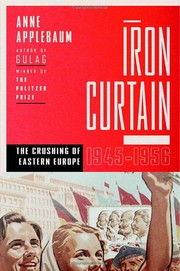 Iron CurtainAnne ApplebaumA chilling, meticulously detailed descent into the mechanics of totalitarianism and the suffocating reality of life under absolute state control.
 How Fascism WorksJason StanleyAn urgent, clarifying lens that snaps the chaotic rhetoric of modern politics into a chillingly recognizable historical pattern.
 This Is Not PropagandaPeter PomerantsevA dizzying, globe-trotting descent into the funhouse mirror of modern disinformation and the weaponization of reality.
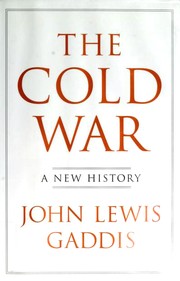 The Cold WarJohn Lewis GaddisA sweeping, authoritative journey through the ideological standoff that held the world hostage for half a century.
 Prisoners of geographyTim MarshallA sweeping, pragmatic look at the world map that permanently alters how you watch the evening news.