Books › The Fabric of Civilization

The Fabric of Civilization
320 pages
A sweeping, intellectually stimulating journey that reveals how the threads of everyday fabric wove the modern world together.
What it feels like
Reading this book feels like stepping back to view a massive, intricate tapestry of human history, suddenly realizing that the threads themselves are the true marvel. The narrative moves at a steady, illuminating pace, guiding the reader through an expansive and intellectually stimulating exploration of how simple cloth birthed global economics, mathematics, and chemistry. The prose is clear and authoritative, synthesizing archaeology, anthropology, and business into a cohesive, eye-opening whole. It evokes a mood of profound curiosity and awe, transforming the mundane reality of the clothes on our backs into a testament to human ingenuity. This is a deeply satisfying read for anyone who delights in sweeping micro-histories that fundamentally shift how they perceive the hidden foundations of civilization and global interconnectedness.
- Mood
- intellectually stimulating
- expansive
- curious
- Tone
- informative
- sweeping
- analytical
- illuminating
- Pace
- steady
- Themes
- hidden engines of progress · global interconnectedness · origins of technology · foundations of civilization
- The writing
- Clear, synthesizing, and richly detailed, weaving disparate historical threads into a cohesive narrative.
- The arc
- Moves from a curiosity about everyday materials to a profound awe at the interconnectedness of human history and innovation.
- Who it's for
- Readers who love sweeping micro-histories that reframe their understanding of global economics and human ingenuity.
About the book
"The story of humanity is the story of textiles--as old as civilization itself. Textiles created empires and powered invention. They established trade routes and drew nations' borders. Since the first thread was spun, fabric has driven technology, business, politics, and culture. In The Fabric of Civilization, Virginia Postrel traces this surprising history, exposing the hidden ways textiles have made our world. The origins of chemistry lie in the coloring and finishing of cloth. The beginning of binary code--and perhaps all of mathematics--is found in weaving. Selective breeding to produce fibers heralded the birth of agriculture. The belt drive came from silk production. So did microbiology. The textile business funded the Italian Renaissance and the Mughal Empire; it left us double-entry bookkeeping and letters of credit, the David and the Taj Mahal. From the Minoans who exported woolen cloth colored with precious purple dye to Egypt, to the Romans who wore wildly expensive Chinese silk, the trade and production of textiles paved the economic and cultural crossroads of the ancient world. As much as spices or gold, the quest for fabrics and dyes drew sailors across strange seas, creating an ever-more connected global economy. Synthesizing groundbreaking research from economics, archaeology, and anthropology, Postrel weaves a rich tapestry of human cultural development"--
Description from Open Library.
Books like The Fabric of Civilization
See why they match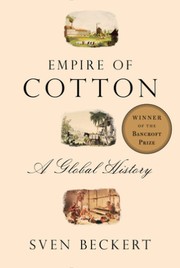 Empire of cottonSven BeckertAn unflinching, sweeping examination of the brutal economic engine that built the modern world.
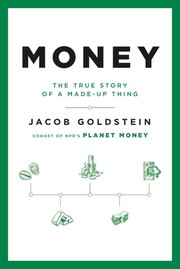 MoneyJacob Goldstein (Cohost of Planet Money podcast)A witty, globe-trotting tour through the collective hallucination that makes the modern world go round.
 The Silk RoadsPeter FrankopanA sweeping, panoramic journey that recenters the globe and fundamentally shifts how you view the history of human civilization.
 Energy in world historyVaclav SmilA sweeping, deeply pragmatic lens on human history that reveals the hidden physical forces shaping our world.
 The wealth and poverty of nationsDavid S. LandesA sweeping, opinionated masterclass in economic history that challenges the reader to grapple with the cultural and technological roots of global inequality.
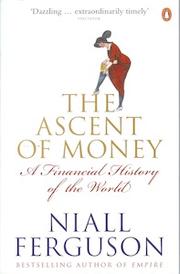 The ascent of moneyNiall FergusonAn expansive, eye-opening journey that reveals the invisible financial scaffolding holding up human history.