Books › The Paradox of Choice

The Paradox of Choice
First published 2005 · 304 pages
A validating exploration of why modern abundance feels so exhausting, offering a psychological permission slip to stop striving for perfection.
What it feels like
Reading this book feels like sitting down with a deeply empathetic psychologist who finally explains why modern life is so exhausting. It moves at a steady, conversational pace, unpacking the invisible weight of our daily decisions with relatable anecdotes and sharp behavioral science. The mood shifts from a slightly stressful recognition of our own decision fatigue to a profound, validating relief. You will find yourself nodding along as the text dismantles the myth that more options equal more freedom, replacing it with the comforting logic of good enough. The prose is clear and grounded, avoiding academic jargon in favor of everyday scenarios like buying jeans or choosing a health plan. It is a must-read for chronic overthinkers, perfectionists, and anyone seeking a mental exhale in a world of relentless optimization.
- Mood
- thought-provoking
- validating
- reassuring
- Tone
- analytical
- empathetic
- conversational
- persuasive
- Pace
- steady
- Themes
- decision fatigue · the illusion of freedom · satisficing vs. maximizing · consumer culture anxiety · the pursuit of enough
- The writing
- Clear, anecdotal, and highly accessible, translating complex behavioral economics into relatable everyday scenarios.
- The arc
- Begins with the stressful recognition of our daily cognitive overload and gradually shifts toward a liberating sense of relief and empowerment.
- Who it's for
- Chronic overthinkers, perfectionists, and anyone who has ever felt paralyzed by the sheer number of options in a grocery store aisle.
Content notes
- discussions of anxiety
- mentions of depression
About the book
In the spirit of Alvin Toffler’s Future Shock, a social critique of our obsession with choice, and how it contributes to anxiety, dissatisfaction and regret. This paperback includes a new P.S. section with author interviews, insights, features, suggested readings, and more.Whether we’re buying a pair of jeans, ordering a cup of coffee, selecting a long-distance carrier, applying to college, choosing a doctor, or setting up a 401(k), everyday decisions--both big and small--have become increasingly complex due to the overwhelming abundance of choice with which we are presented.We assume that more choice means better options and greater satisfaction. But beware of excessive choice: choice overload can make you question the decisions you make before you even make them, it can set you up for unrealistically high expectations, and it can make you blame yourself for any and all failures. In the long run, this can lead to decision-making paralysis, anxiety, and perpetual stress. And, in a culture that tells us that there is no excuse for falling short of perfection when your options are limitless, too much choice can lead to clinical depression.In The Paradox of Choice, Barry Schwartz explains at what point choice--the hallmark of individual freedom and self-determination that we so cherish--becomes detrimental to our psychological and emotional well-being. In accessible, engaging, and anecdotal prose, Schwartz shows how the dramatic explosion in choice--from the mundane to the profound challenges of balancing career, family, and individual needs--has paradoxically become a problem instead of a solution. Schwartz also shows how our obsession with choice encourages us to seek that which makes us feel worse.By synthesizing current research in the social sciences, Schwartz makes the counterintuitive case that eliminating choices can greatly reduce the stress, anxiety, and busyness of our lives. He offers eleven practical steps on how to limit choices to a manageable number, have the discipline to focus on the important ones and ignore the rest, and ultimately derive greater satisfaction from the choices you have to make.
Description from Open Library.
Books like The Paradox of Choice
See why they match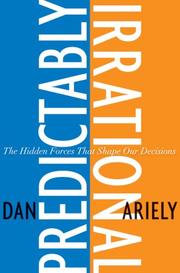 Predictably IrrationalDan ArielyA playful, eye-opening tour through the hidden forces that secretly pull the strings of our daily decisions.
 The procrastination equationPh.D. Steel, PiersA witty, science-backed mirror held up to our worst habits, offering a guilt-free roadmap to finally getting things done.
 Stop OverthinkingNick TrentonA practical, empathetic toolkit for breaking out of mental spirals and reclaiming your peace of mind.
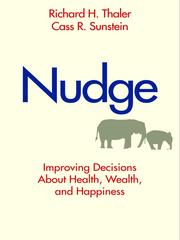 NudgeRichard H. Thaler and Cass R. SunsteinA fascinating, practical lens on human irrationality that makes you rethink every menu, form, and default setting you encounter.
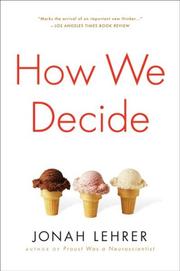 How we decideJonah LehrerA brisk, anecdote-rich tour through the hidden neurological gears that drive our everyday choices.
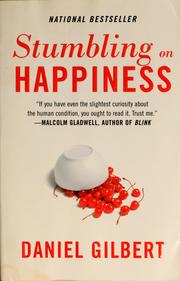 Stumbling on happinessDaniel GilbertA hilarious and humbling tour through the blind spots of the human mind that will make you rethink everything you thought you wanted.