Books › Zniewolony umysł

Zniewolony umysł
First published 1900 · 294 pages
A chilling, poetic autopsy of how brilliant minds convince themselves to surrender to totalitarianism.
What it feels like
Reading this book feels like sitting in a dimly lit, smoke-filled room with a brilliant, weary friend who is explaining the exact mechanics of a tragedy. The pace is steady and deliberate, demanding your full intellectual presence as it dissects the psychological gymnastics required to survive under an oppressive regime. It is a deeply claustrophobic read, steeped in a somber, chilling mood that makes you question your own moral frailties. Yet, because the author is fundamentally a poet, the prose remains hauntingly beautiful, elevating clinical analysis into profound human tragedy. It will thoroughly captivate readers who are drawn to the dark intersections of politics, philosophy, and the human mind, leaving a lingering, uncomfortable resonance long after the final page.
- Mood
- claustrophobic
- somber
- intellectually rigorous
- chilling
- Tone
- incisive
- melancholic
- urgent
- philosophical
- wry
- Pace
- steady
- Themes
- intellectual compromise · psychological survival · the allure of ideology · moral ambiguity · loss of freedom
- The writing
- Lyrical and razor-sharp, blending a poet's sensitivity to metaphor with a philosopher's rigorous logic.
- The arc
- Begins with a clinical curiosity about ideological seduction and deepens into a profound, sobering grief for the loss of intellectual freedom.
- Who it's for
- Readers fascinated by the psychology of belief, Cold War history, and the moral tightropes walked by intellectuals under oppressive regimes.
Content notes
- political oppression
- war themes
- psychological manipulation
- historical trauma
About the book
A work of nonfiction by Polish writer, poet, academic and Nobel laureate Czesław Miłosz. It was written after the author's defection from Stalinist Poland in 1951. The book catalogs the experiences of Milosz and his colleagues, in pre-war Poland, under the Nazi Occupation, and in the Soviet-dominated People's Republic of Poland. Milosz ponders on the mental gymnastics required for intellectuals to turn against their countrymen and the truth, by turns sympathetical and critical.
Description from Open Library.
Books like Zniewolony umysł
See why they match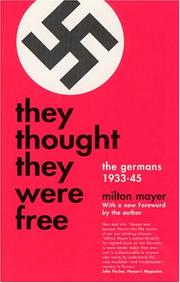 They Thought They Were FreeMilton MayerA chilling, penetrating look into the minds of ordinary people who became complicit in one of history's darkest regimes.
 The God that failedRichard Howard Stafford CrossmanA somber, deeply personal exploration of how the hopeful pursuit of a political ideal can curdle into agonizing disillusionment.
 The Parasitic MindGad SaadA combative, unapologetic manifesto that diagnoses modern cultural trends as viruses of the mind, urging a return to reason.
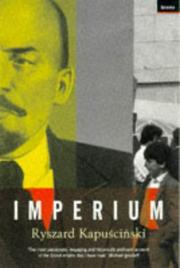 ImperiumRyszard KapuscinskiA haunting, lyrical journey through the ruins of a collapsing empire, guided by a deeply empathetic observer.
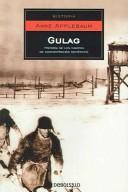 GulagAnne ApplebaumA monumental, unflinching descent into the architecture of totalitarian terror and the staggering resilience of those trapped within its shadow.
 FerdydurkeWitold GombrowiczA manic, philosophical fever dream that mercilessly mocks the social masks we are forced to wear.