Books › Bury the Chains

Bury the Chains
Prophets and Rebels in the Fight to Free an Empire's Slaves
First published 2005 · 508 pages
An inspiring and sobering historical journey into the birth of modern citizen activism and the fight for human rights.
What it feels like
Reading this book feels like stepping into the engine room of a moral revolution. It offers a steady, deeply informative immersion into the origins of modern activism, tracing how a seemingly impossible goal was tackled through sheer determination and innovative organizing. The mood is both sobering, given the immense weight of the systemic injustice it addresses, and profoundly hopeful as it chronicles the birth of grassroots tactics like boycotts and mass mailings. The prose is clear and engaging, guiding the reader through decades of historical momentum without losing sight of the human element. It is a perfect read for those who are fascinated by the history of human rights and the enduring power of collective action to dismantle entrenched systems of oppression.
- Mood
- determined
- righteous
- sobering
- hopeful
- Tone
- earnest
- informative
- inspiring
- urgent
- Pace
- steady
- Themes
- birth of human rights · grassroots activism · moral crusades · dismantling systemic injustice · power of collective action
- The writing
- Clear, engaging, and historically grounded, focusing on the mechanics and human element of social change.
- The arc
- Moves from the sobering reality of systemic oppression to the inspiring momentum of collective, pioneering activism.
- Who it's for
- Readers who are fascinated by the history of social movements, human rights, and the origins of modern activism.
Content notes
- slavery
- systemic oppression
- historical injustice
About the book
An account of the first great human rights crusade, which originated in England in the 1780s and resulted in the freeing of hundreds of thousands of slaves around the world. In 1787, twelve men gathered in a London printing shop to pursue a seemingly impossible goal: ending slavery in the largest empire on earth. Along the way, they would pioneer most of the tools citizen activists still rely on today, from wall posters and mass mailings to boycotts and lapel pins. Within five years, more than 300,000 Britons were refusing to eat the chief slave-grown product, sugar; London's smart set was sporting antislavery badges created by Josiah Wedgwood; and the House of Commons had passed the first law banning the slave trade. The activists brought slavery in the British Empire to an end in the 1830s, long before it died in the United States.
Description from Open Library.
Books like Bury the Chains
See why they match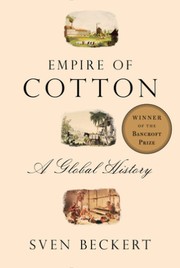 Empire of cottonSven BeckertAn unflinching, sweeping examination of the brutal economic engine that built the modern world.
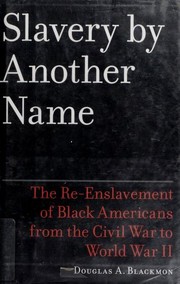 Slavery by another nameDouglas A. BlackmonA devastating, meticulously documented reckoning that shatters the myth of emancipation and exposes the brutal machinery of systemic exploitation.
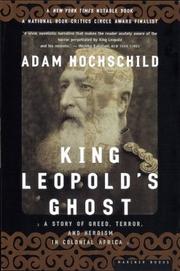 King Leopold's ghostAdam HochschildA harrowing, character-driven descent into one of history's most brutal colonial atrocities, illuminated by the fierce courage of early human rights crusaders.
 From slavery to freedomJohn Hope FranklinA monumental and deeply dignified exploration of resilience, tracing the long and ongoing struggle for Black liberation and cultural triumph.
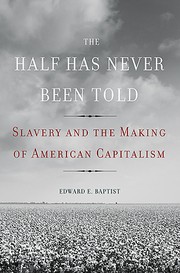 The Half Has Never Been ToldEdward E. BaptistA devastating, paradigm-shifting history that forces a reckoning with the blood and bone upon which American wealth was built.
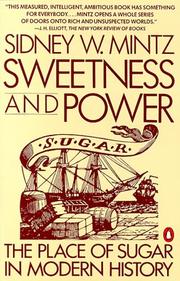 Sweetness and powerMintz, Sidney W.A sobering, eye-opening exploration of how a single sweet commodity shaped the modern capitalist world and its darkest institutions.